The People Behind the Expedition
Expedition Team
The Bell Island Battle of the Atlantic Virtual Memorial Expedition 2027 brings together a multidisciplinary team of technical divers, marine scientists, archaeologists, historians, and expedition specialists with extensive experience in underwater documentation, cold-water operations, and maritime heritage research.
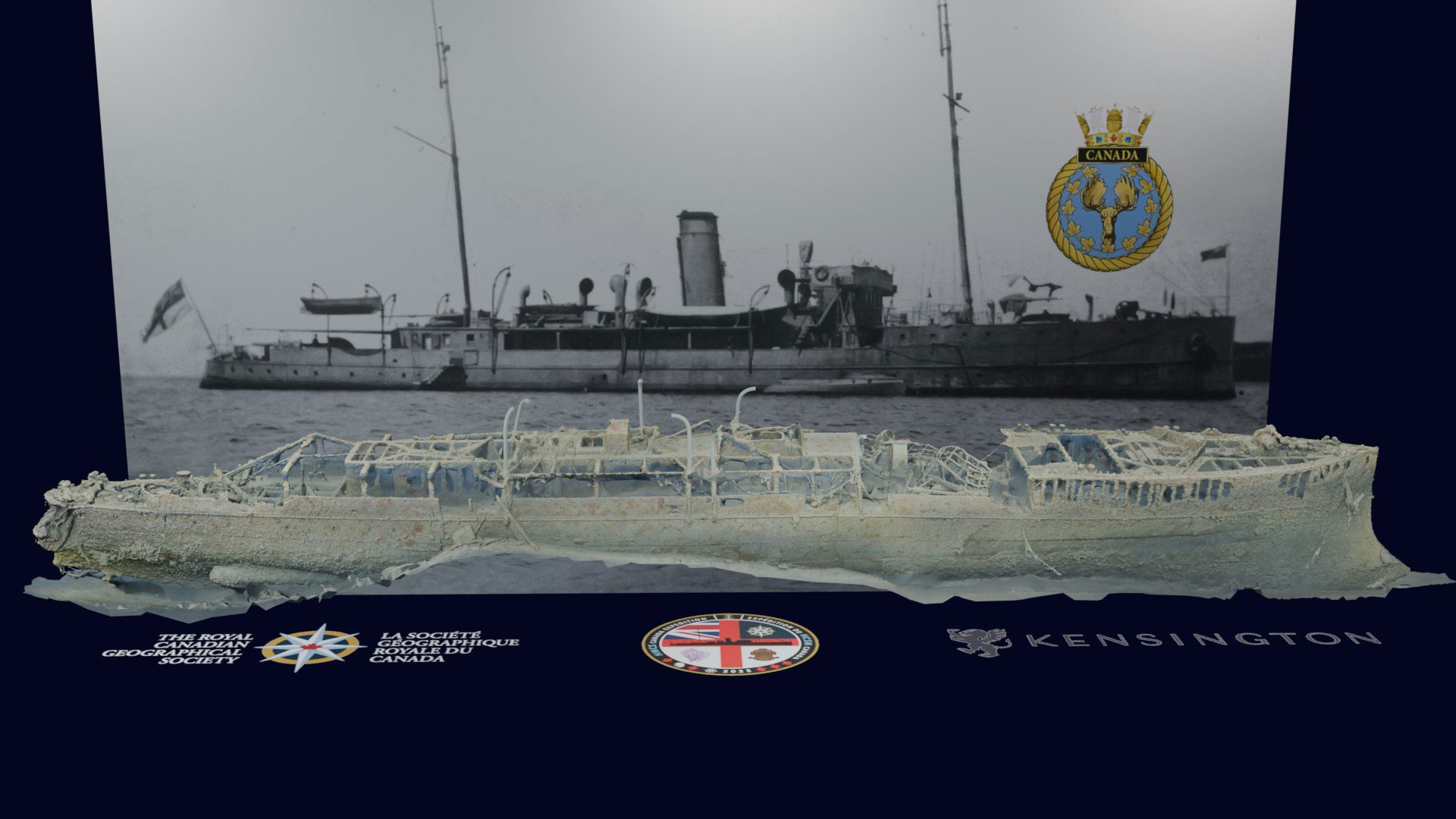
Members of the expedition have participated in major projects involving shipwreck archaeology, naval operations, marine technology development, and scientific fieldwork in Canada, the United States, Europe, and the polar regions. The project builds directly on the experience and methodologies developed during the HMCS Canada Expedition and extends them into a complex, multi-site wartime landscape.
The Bell Island project requires expertise not only in diving, but also in remote sensing, cartography, marine biology, archival research, and expedition logistics. The integration of these disciplines allows the expedition to document the site accurately, safely, and with full respect for its historical and commemorative significance.
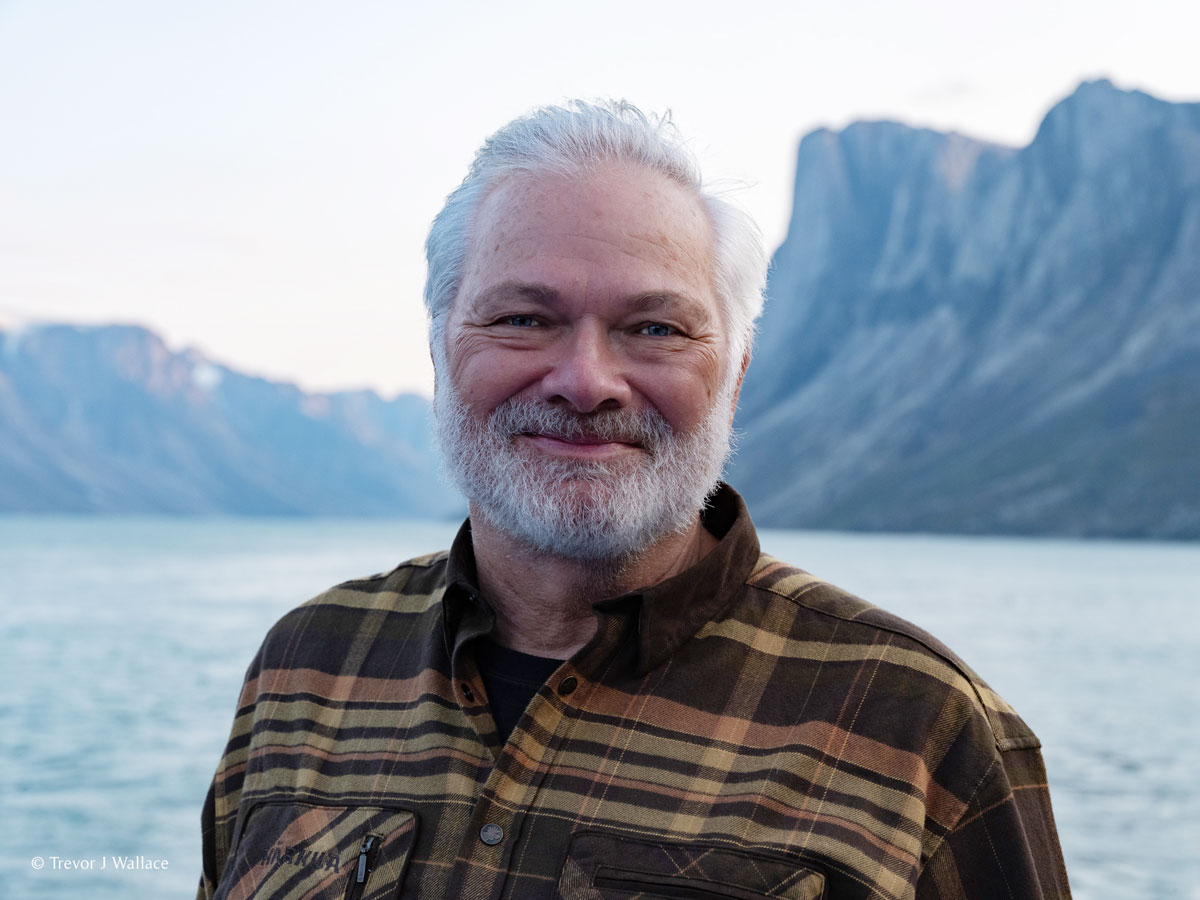
Joseph Frey, CD, FRCGS
Expedition Lead and Project Director (Historical and Scientific Integration)
Joseph Frey is a former military officer, explorer, science writer, and expedition leader specializing in the integration of historical research, underwater archaeology, and advanced marine imaging technologies.
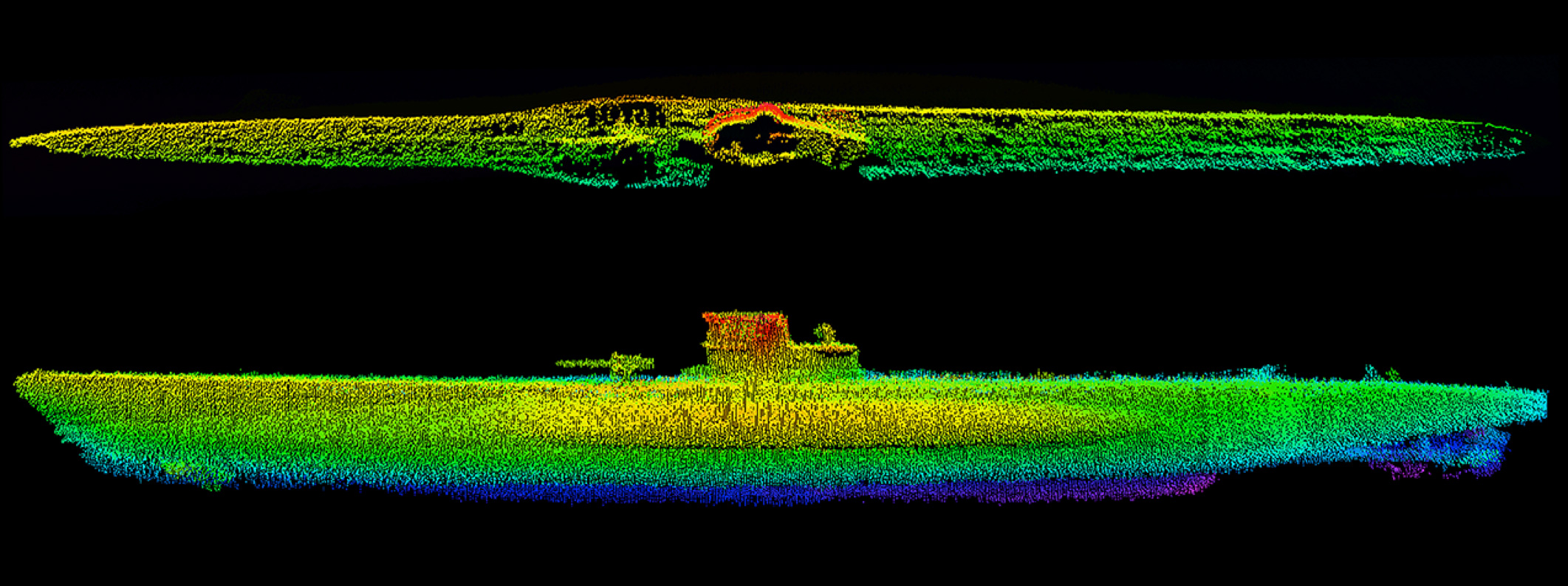
His work focuses on bringing together archival analysis, field operations, and digital documentation to interpret complex maritime heritage sites. He has participated in major international expeditions, including the discovery of HMS Erebus and NOAA’s survey of the German submarine U-576—a Battle of the Atlantic wreck off North Carolina—as well as leading the HMCS Canada Expedition, which produced the first comprehensive three-dimensional record of Canada’s first purpose-built warship.
In addition to fieldwork, Joseph has written extensively on exploration, archaeology, field sciences, and maritime history for publications including TIME, The Globe and Mail, National Post, and Canadian Geographic, and has contributed to multiple books on polar exploration and history.
He is a Fellow and senior leader of the Royal Canadian Geographical Society, where he serves as Vice-President and Chair of the College of Fellows, and is a former Vice-President and Director of The Explorers Club. His career brings together academic institutions, government agencies, technology partners, and expedition teams to deliver integrated scientific and historical outcomes.
For the Bell Island Expedition, Frey is responsible for overall project direction, the integration of historical and scientific research, and the coordination of field operations and partner contributions. The project reflects a broader effort to develop new methods for documenting and interpreting maritime battlefields through large-scale digital terrain modelling and public-facing virtual reconstruction.
Marine Institute, Memorial University of Newfoundland
Principal Academic and Operational Partner
The Marine Institute of Memorial University of Newfoundland serves as the expedition’s principal academic and operational partner.
The Institute provides research-vessel support, technical expertise, and integration of marine science and survey technologies. With extensive experience in ocean research and applied marine technology in Atlantic Canadian waters, the Marine Institute enables the expedition to combine archaeological documentation, environmental study, and digital terrain mapping within a unified framework.
Kirk Regular and colleagues at the Marine Institute are supporting expedition planning, vessel operations, survey systems, and the integration of academic research with field documentation. The project will also provide opportunities for graduate student participation in fieldwork and data analysis.
Shipwreck Preservation Society of Newfoundland and Labrador
Heritage Partner
The Shipwreck Preservation Society of Newfoundland and Labrador contributes regional expertise, historical knowledge, and heritage stewardship.
The Society has long been involved in the documentation and protection of maritime heritage sites in Newfoundland waters and plays a key role in liaison with provincial authorities, local communities, and the diving community.
Neil Burgess and members of the Society provide historical research support, local operational knowledge, and coordination with heritage stakeholders, ensuring that all work aligns with established cultural heritage practices.
VOYIS

Underwater Imaging and Survey Technology
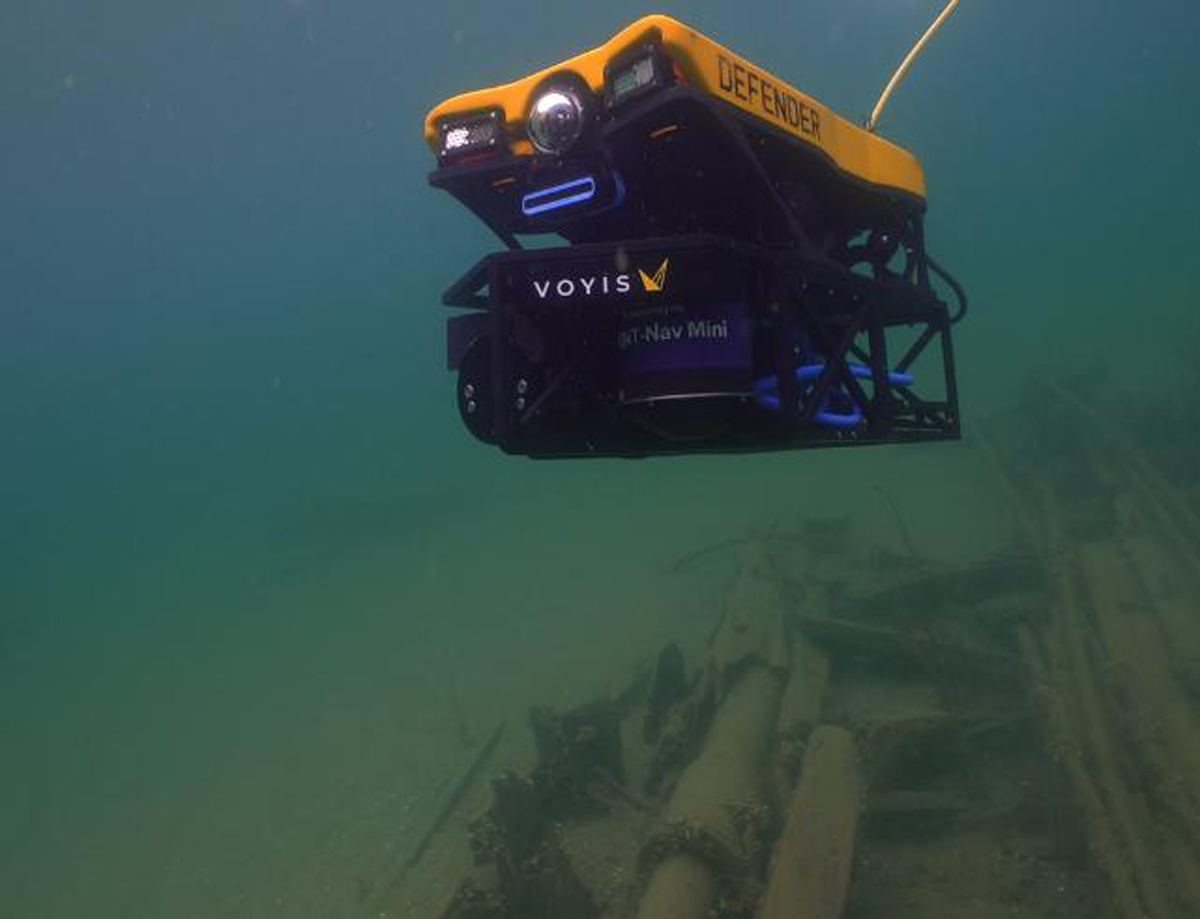
VOYIS provides advanced underwater imaging systems and technical expertise for three-dimensional photogrammetry and digital mapping.
Their technology enables high-resolution documentation of large-scale wreck sites in low-visibility, cold-water environments—conditions characteristic of Bell Island. This capability is central to the creation of an integrated Digital Terrain Model (DTM) of the battlefield.
Brenden St. John and the VOYIS engineering team support the expedition through imaging systems, survey integration, and on-site technical operations.
Royal Canadian Geographical Society (RCGS)

Expedition Partner
The Royal Canadian Geographical Society supports the expedition through its national expedition program, cartographic expertise, and educational outreach.
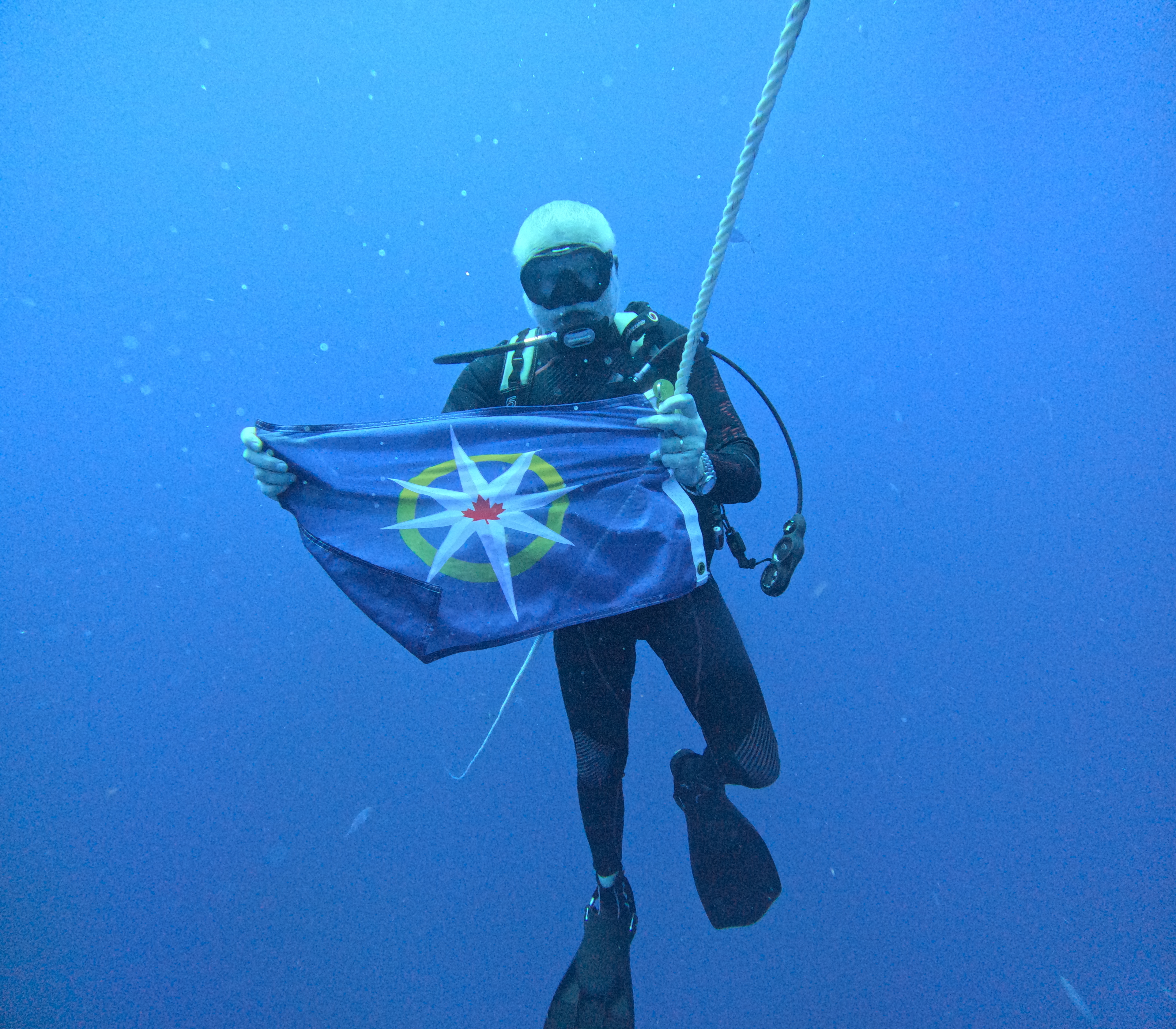
The Society has awarded the Bell Island Expedition a Major Grant and authorizes the expedition to fly the official RCGS Expedition Flag.
Tim Joyce and the Society’s cartographic and education teams assist with mapping, public outreach, and the development of educational material based on the expedition’s results.
Through Canadian Geographic and Canadian Geographic Education, the Society will help communicate the results of the expedition to national and international audiences.
Technical Dive Team
The expedition dive team consists of highly experienced technical divers with backgrounds in deep-water, cold-water, and wreck-diving operations.
Team members have participated in underwater archaeology projects, scientific surveys, and expedition diving in challenging environments across multiple regions. Their work includes diver-based photogrammetry, mine-diving documentation, and operational support for remote survey systems.
Guy Shockey and members of the technical dive team are responsible for in-water imaging operations and ensuring that all diving activities are conducted safely, efficiently, and in accordance with non-intrusive archaeological protocols.
A Collaborative Expedition
The Bell Island Battle of the Atlantic Virtual Memorial Expedition is a volunteer-driven initiative supported by academic institutions, heritage organizations, marine-technology specialists, and experienced expedition personnel.
By integrating scientific research, historical investigation, and advanced imaging technology, the team contributes to a broader effort to document and interpret the Battle of the Atlantic—one of the longest and most strategically decisive campaigns of the Second World War.
While much of that conflict unfolded across vast ocean spaces, Bell Island represents a rare and intact coastal battlefield where multiple shipwrecks, defensive positions, and industrial infrastructure can be understood together as a single historical landscape.
Through this work, the expedition seeks not only to preserve the Bell Island site, but also to enhance public understanding of Canada’s role in the Battle of the Atlantic and the wider North Atlantic war.