Bell Island in the Second World War
Bell Island in the Atlantic Wartime System
In 1942, Bell Island, Newfoundland—then a separate Dominion under British administration—was a critical iron-ore loading centre supplying steel production for both Canada and Britain. The Wabana mining complex, extending beneath the seabed of Conception Bay, was at that time the largest subsea iron ore operation in the world, producing high-grade ore essential for wartime shipbuilding, armaments, and industrial production.
The strategic importance of Bell Island was well understood—on both sides of the Atlantic.
Prior to the First World War, Germany had been one of the principal consumers of Bell Island ore. From the mid-1930s until the outbreak of war in 1939, it had become the mine’s single largest customer. As a result, the geography, shipping patterns, and industrial significance of Bell Island were familiar to German planners. When war came, this knowledge became operationally relevant.
Despite its importance, Bell Island was not defended as a front-line battlefield. The anchorage inside Conception Bay was considered relatively secure due to its distance from the open Atlantic and the perceived difficulty submarines would face in penetrating the bay. However, this assumption masked a critical vulnerability: the island’s fixed coastal artillery—positioned at Cemetery Hill—was designed to defend against surface warships, not submerged threats. Anti-submarine defences were limited, and harbour protection measures such as anti-torpedo nets were not yet in place.
Bell Island was, in effect, a vital industrial node operating within a global convoy system—but without the defensive depth that system required.
The 1942 Attacks
In 1942, Bell Island, Newfoundland—then a separate Dominion under British administration—was a critical iron-ore loading centre supplying steel production for Canada and Britain. At the time, its Wabana mining complex included what was then the world’s largest subsea iron ore mine.
Ironically, prior to the First World War Germany had been one of its largest clients, and from the mid-1930s until 1939 it was the mine’s single largest customer—making Bell Island familiar to German naval planners. Yet the island’s sheltered anchorage inside Conception Bay was regarded as relatively secure from submarine attack, even though the adequacy of its defences was a matter of concern. Its coastal artillery, intended to defend against surface warships, was ineffective against submarines.
On 5 September and 2 November 1942, German submarines U-513 and U-518 penetrated Conception Bay and torpedoed Allied vessels lying at anchor or engaged in loading operations off Bell Island. Four vessels were sunk, dozens of sailors were killed, and Bell Island became the site of the only confirmed sinkings of Allied shipping inside a defended industrial harbour along the east coast of either Canada or the United States during the Second World War.
On 5 September 1942, the German submarine U-513—a long-range Type IXC U-boat under the command of Korvettenkapitän Rolf Rüggeberg— entered Conception Bay. Navigating through narrow approaches, shoals, and tidal currents, the submarine penetrated deep into the bay and approached the anchorage off Bell Island.
There, several ore carriers lay at anchor or were engaged in loading operations.
At approximately 11:00 a.m., U-513 fired torpedoes into the anchored ships. The British vessel Saganaga was struck first. The explosion was catastrophic: the ship sank in well under a minute, giving the crew almost no time to respond. Twenty-nine men were killed.
Nearby, the Canadian vessel Lord Strathcona had already begun taking evasive action after witnessing the destruction of Saganaga. Her crew abandoned ship before she was struck. When the torpedo hit, the vessel sank rapidly—but remarkably, there were no fatalities.
The attack occurred within sight of shore. Residents of Bell Island witnessed the explosions, the sinking ships, and the aftermath as survivors struggled in the water. Local vessels and civilians participated in rescue efforts, bringing survivors ashore.
This was no longer a distant ocean war.
Nearly two months later, on 2 November 1942, a second German submarine—U-518, also a Type IXC boat under the command of Oberleutnant zur See Friedrich-Wilhelm Wissmann—repeated the feat.
Once again, a U-boat penetrated Conception Bay and reached the Bell Island anchorage.
Operating under cover of darkness and exploiting the same defensive weaknesses, U-518 launched torpedo attacks against vessels at anchor. The Canadian ore carrier Rose Castle was struck and sank within minutes, with the loss of twenty-four crew members.
Shortly thereafter, the vessel PLM-27—a Free French ship operating under British wartime control—was also torpedoed. Lacking defensive armament and with a smaller crew, she sank quickly. Twelve men were killed.
As in the September attack, survivors were rescued by a combination of Royal Canadian Navy patrol craft—particularly Fairmile motor launches— and local civilian vessels. Many reached shore directly.
The success of both attacks reflected a combination of German operational audacity and Allied defensive limitations.
To reach Bell Island, the submarines had to navigate confined coastal waters in large ocean-going boats designed primarily for open Atlantic operations.
Within the harbour environment, attack conditions were equally complex. Targets were stationary but often closely spaced among piers, loading structures, and other vessels.
That both U-513 and U-518 succeeded underscores both the skill of their commanders and the absence of effective anti-submarine defences at Bell Island in 1942.
- Four ore carriers were sunk (Saganaga, Lord Strathcona, Rose Castle, PLM-27)
- Approximately 65 sailors were killed (with some sources citing slightly higher totals)
- Critical industrial shipping was disrupted
- A major North Atlantic war zone was extended directly into a coastal harbour
Bell Island thus became the site of the only confirmed sinkings of Allied shipping within a defended industrial harbour along the east coast of either Canada or the United States during the Second World War.
What makes Bell Island historically unique is not simply that ships were sunk—but where they were sunk.
The attacks occurred:
- Within a functioning industrial harbour
- In close proximity to shore
- In full view of civilian populations
- Within a defined and geographically concentrated area
The result is a rare form of naval battlefield—one that exists simultaneously across seabed, shoreline, industrial landscape and community memory.
What had been an industrial anchorage became, in two brief and violent episodes, part of the Battle of the Atlantic itself.
Allied Vessels Sunk at Bell Island
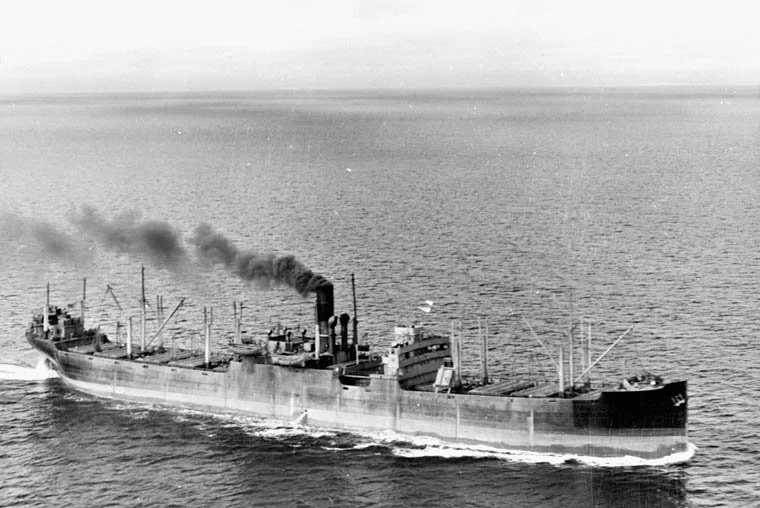
SS Saganaga
- Nationality: British
- Type: Steam ore carrier
- Gross Register Tonnage: ~5,450 GRT
- Length: ~125 m (410 ft)
- Owner: Christian Salvesen & Co. Ltd.
- Operator / Manager: South Georgia Co. (Salvesen group)
- Home Port: Leith (Edinburgh), Scotland
- Crew Complement: ~45–50 total
- Merchant Navy officers and crew
- Royal Navy DEMS gun detachment
- Defensive Armament: Stern-mounted naval gun
- Attack: Torpedoed 5 September 1942 by U-513
- Time to Sink: Well under one minute
- Wreck Depth: ~25–30 m
- Fatalities: 29
- Rescue: Survivors recovered by nearby vessels and taken ashore
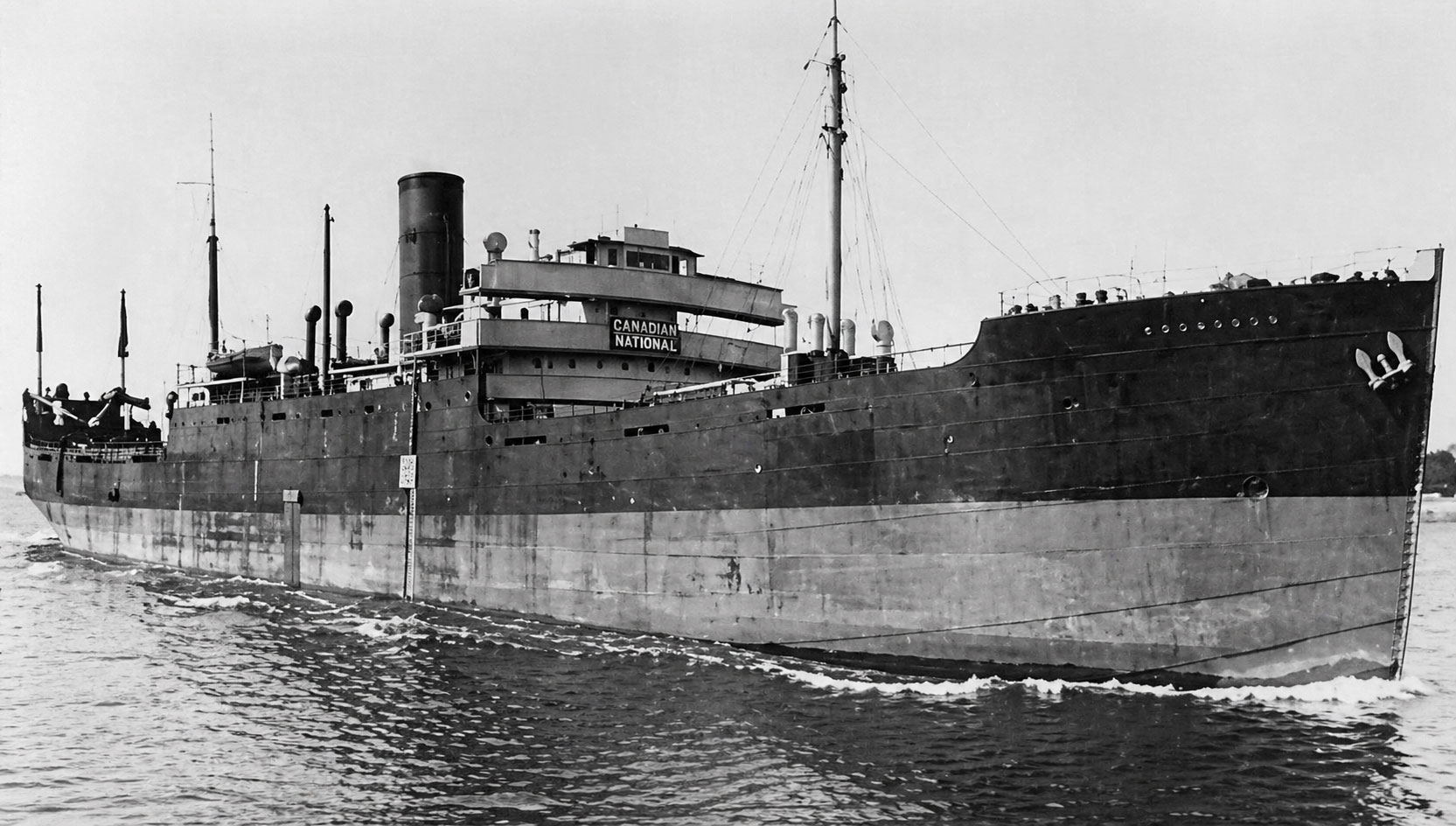
SS Lord Strathcona
- Nationality: Canadian
- Type: Steam ore carrier
- Gross Register Tonnage: ~7,300 GRT
- Length: ~130 m (425 ft)
- Owner / Operator: Dominion Shipping Company Ltd.
- Home Port: Montreal, Quebec
- Crew Complement: ~55–60 total
- Canadian Merchant Navy crew
- DEMS gun detachment
- Defensive Armament: Stern-mounted naval gun
- Attack: Torpedoed 5 September 1942 by U-513
- Time to Sink: ~1–2 minutes
- Wreck Depth: ~30–35 m
- Fatalities: 0
- Rescue: Entire crew rescued
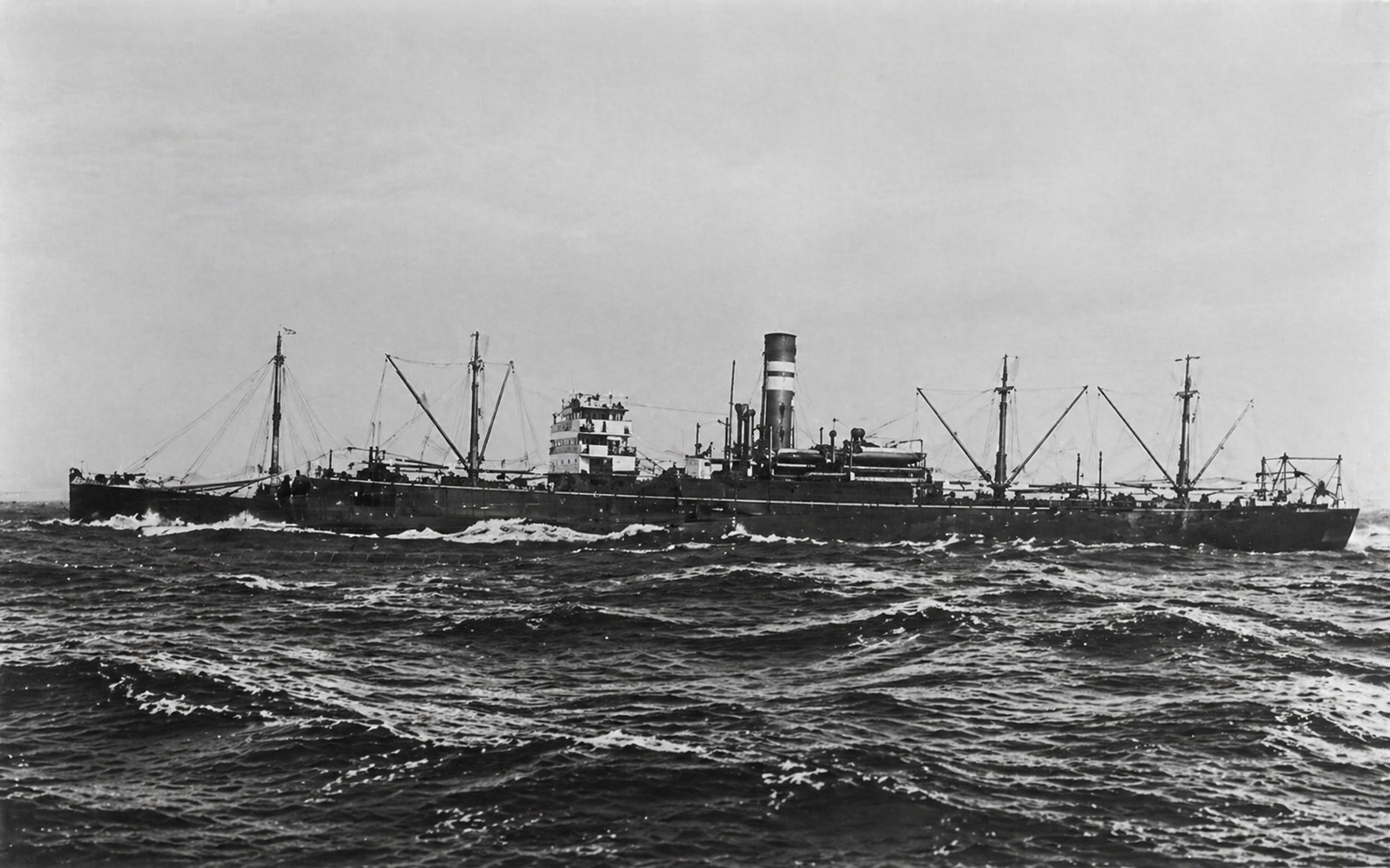
SS Rose Castle
- Nationality: Canadian
- Type: Steam ore carrier
- Gross Register Tonnage: ~7,800 GRT
- Length: ~122 m (400 ft)
- Owner: Rose Castle Steamship Company Ltd.
- Manager: Donaldson Brothers Ltd.
- Home Port: Halifax, Nova Scotia
- Crew Complement: ~45–50
- Defensive Armament: Stern-mounted naval gun
- Attack: Torpedoed 2 November 1942 by U-518
- Time to Sink: Within minutes
- Wreck Depth: ~40–45 m
- Fatalities: 24
- Rescue: Survivors recovered by RCN Fairmile launches and local vessels
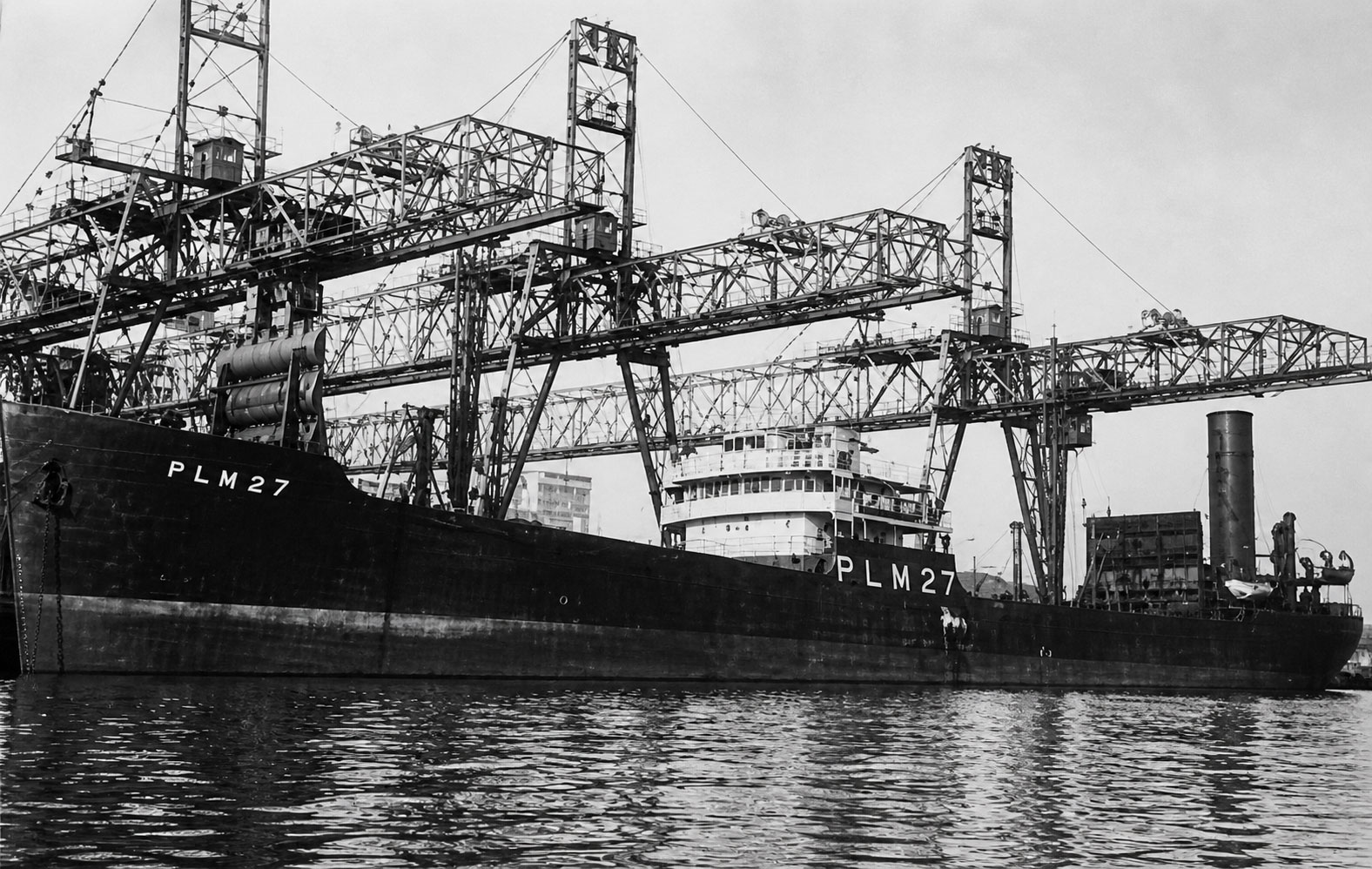
SS PLM-27
- Nationality: British-registered, Free French-controlled
- Type: Ore-handling vessel
- Gross Register Tonnage: ~5,600 GRT
- Owner: Gibbs & Co.
- Home Port: Cardiff, Wales
- Crew Complement: ~20–25
- Defensive Armament: None
- Attack: Torpedoed 2 November 1942 by U-518
- Time to Sink: ~1 minute
- Wreck Depth: ~25–30 m
- Fatalities: 12
- Rescue: Survivors reached shore and were assisted by civilians
Fatalities Summary
- Saganaga: 29
- Lord Strathcona: 0
- Rose Castle: 24
- PLM-27: 12
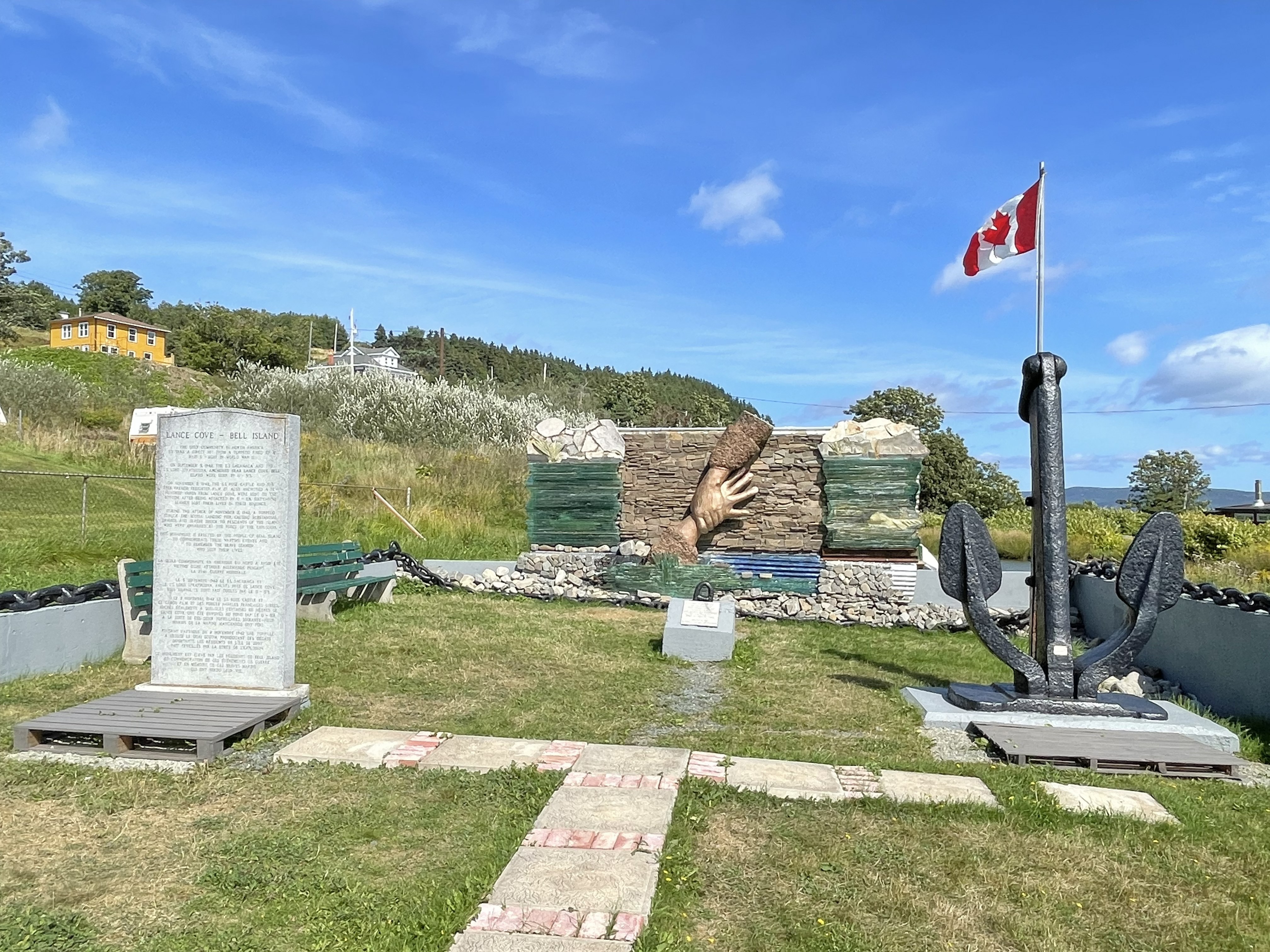
Total: 65 confirmed dead, with some sources citing up to ~69 due to unrecovered bodies and differing accounting conventions. The Lance Cove Seamen’s Memorial reflects the lower, community-validated total.
German Submarines Involved
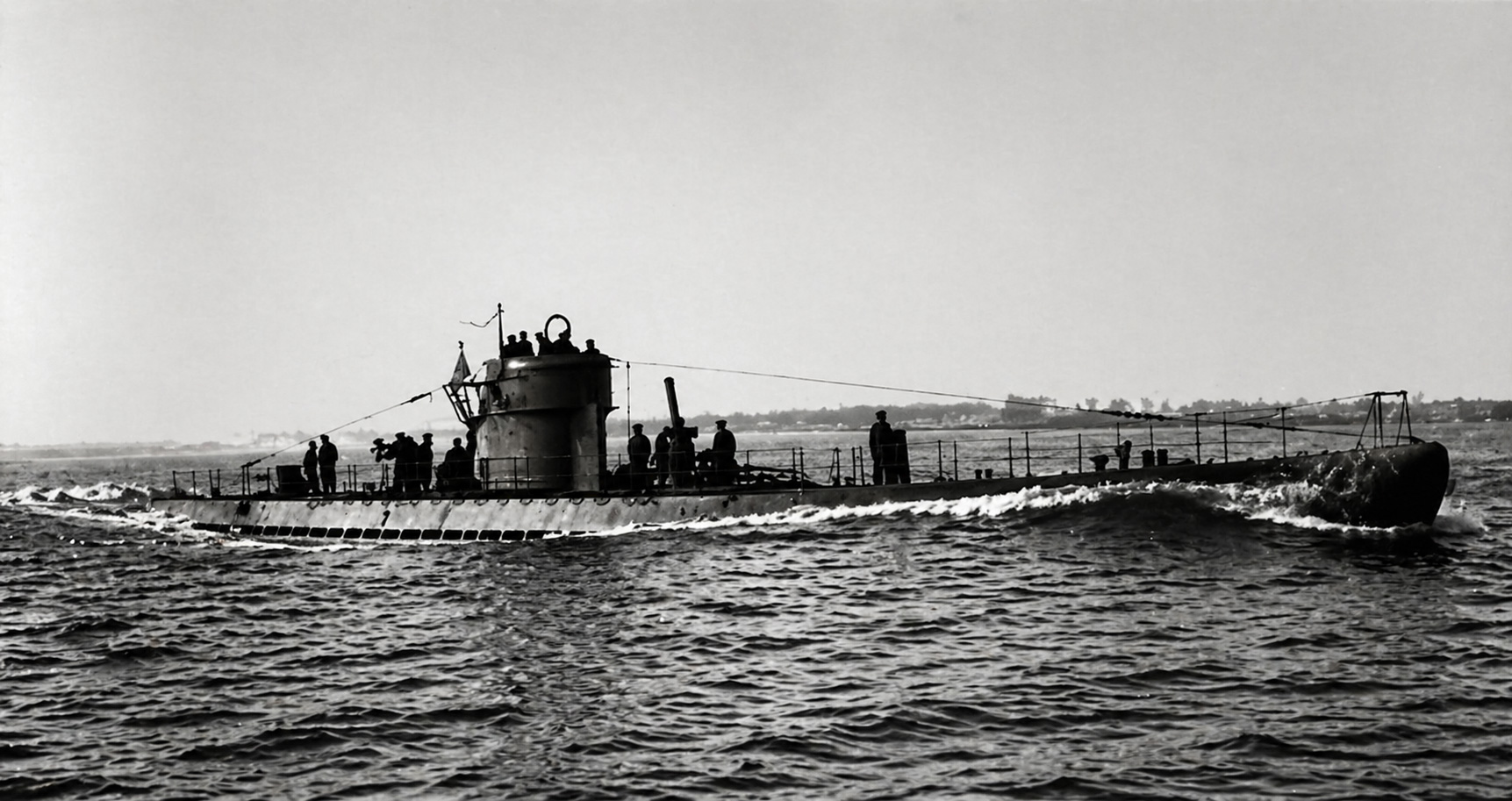
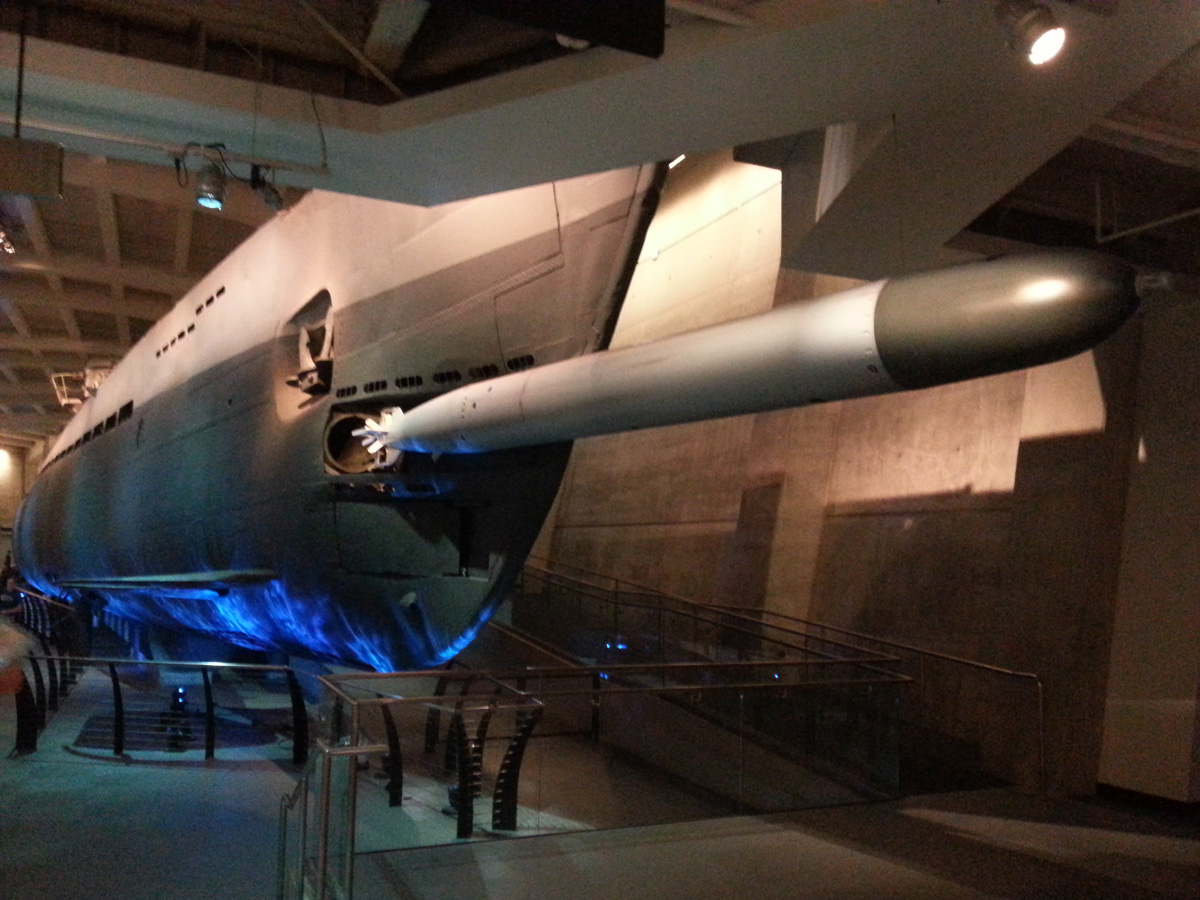
U-513
- Type: Type IXC long-range submarine
- Displacement: ~1,120 tons (surfaced); ~1,232 tons (submerged)
- Patrol Range: ~13,450 nautical miles at 10 knots (surfaced)
- Torpedoes Carried: Up to 22
- Torpedo Tubes: 6 (4 bow, 2 stern)
- Crew Complement: Typically 48–56 officers and men
- Bell Island Attack: 5 September 1942
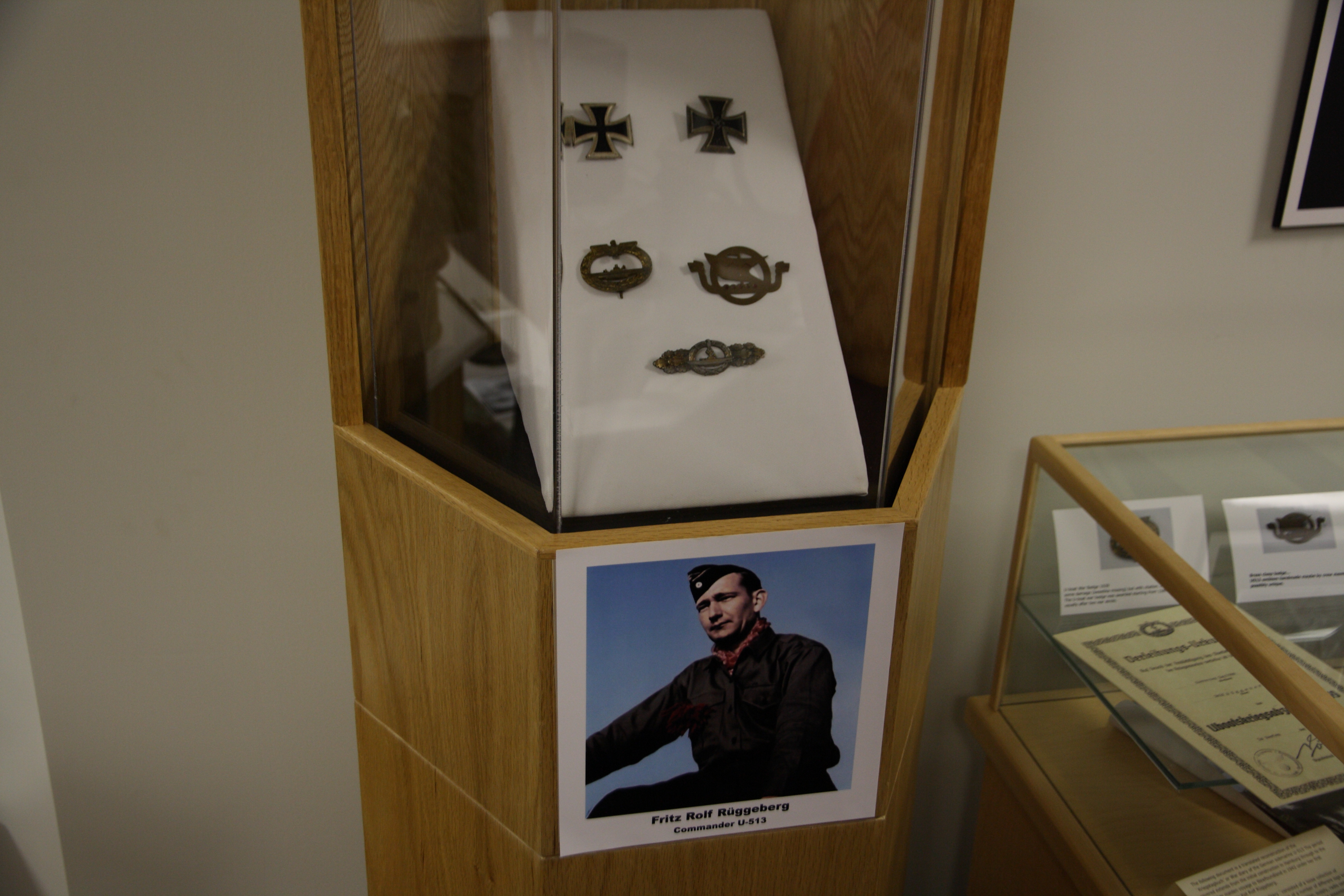
Commanding Officer: Rolf Rüggeberg
- Commanding Officer: Rolf Rüggeberg
- RN/RCN Equivalent: Commander
- USN Equivalent: Commander (O-5)
- Vessels Sunk at Bell Island: Saganaga, Lord Strathcona
Later Fate: U-513 was sunk off the coast of Brazil in the South Atlantic on 19 July 1943 by U.S. Navy aircraft. Seven crewmen survived while 46 died.
Additional Notes: From June 1943 until the end of the war, and later promoted to Fregattenkapitän, Rüggeberg commanded the 13th Flotilla at Trondheim, Norway. Upon creation of the post-war West German Navy, he rejoined as a naval officer and later served as a West German Naval Attaché in London in the early 1960s.
U-518
- Type: Type IXC long-range submarine
- Displacement: ~1,120 tons (surfaced); ~1,232 tons (submerged)
- Patrol Range: ~13,450 nautical miles at 10 knots (surfaced)
- Torpedoes Carried: Up to 22
- Torpedo Tubes: 6 (4 bow, 2 stern)
- Crew Complement: Typically 50–56 officers and men
- Bell Island Attack: 2 November 1942
Commanding Officer: Friedrich-Wilhelm Wissmann
- Rank: Oberleutnant zur See
- RN/RCN Equivalent: Lieutenant
- USN Equivalent: Lieutenant (O-3)
Vessels Sunk at Bell Island: Rose Castle, PLM-27
Later Fate: U-518 was sunk on 22 April 1945 in the North Atlantic northwest of the Azores by depth charges from the U.S. destroyer escorts USS Carter and USS Neal A. Scott, with the loss of all 56 hands.
Additional notes: After sinking Rose Castle and PLM-27, Wissmann successfully landed a German intelligence agent at Baie des Chaleurs in Quebec on 9 November 1942. By December, Wissmann was promoted to Kapitänleutnant (Lieutenant Commander). After leaving U-518, he served as a training officer with the 2nd, 10th, and 26th (Training) Flotillas until the end of the war in May 1945.
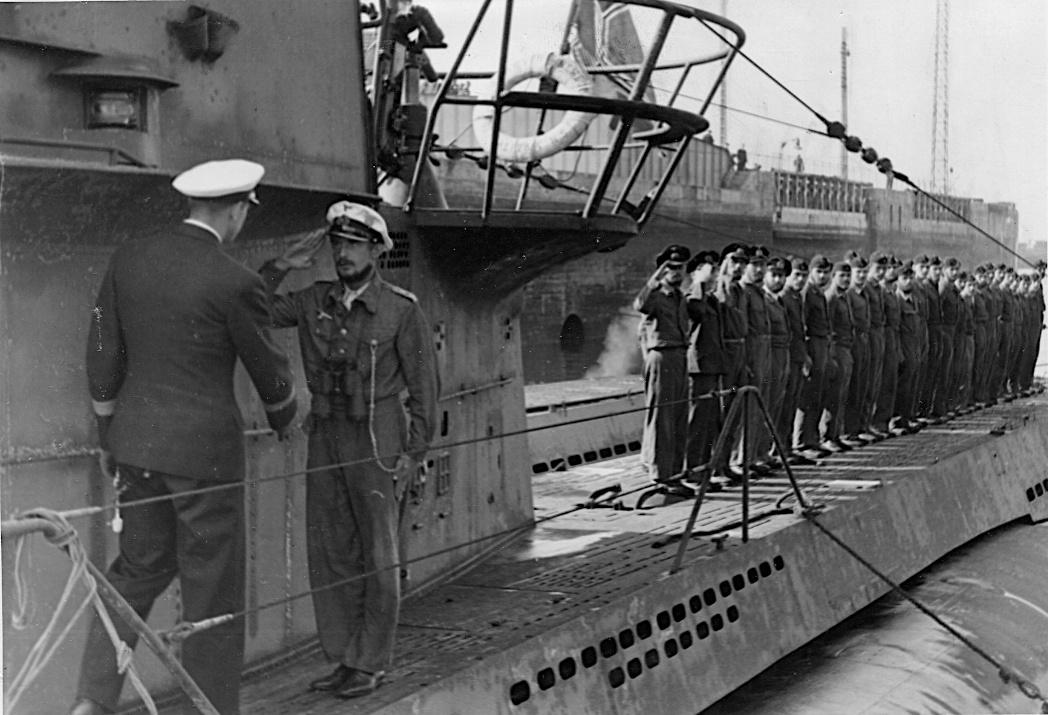
U-Boat Platform Selection: Type VII vs. Type IXC
Security Improvements After the Attacks
The September and November 1942 sinkings prompted significant improvements to Bell Island’s security and harbour protection:
- Increased Royal Canadian Navy patrols throughout Conception Bay, supported by regional Royal Canadian Air Force maritime patrols
- Regular deployment of Fairmile motor launches for anti-submarine surveillance
- Improved harbour control, reporting procedures, and coordination between naval and air forces
- Installation of anti-torpedo netting (boom defences) at loading areas in 1943
- Expanded coastal observation and harbour defence measures—including the use of searchlights for night-time surveillance—were introduced or strengthened following the attacks
No further submarine attacks occurred at Bell Island after November 1942.
The Wrecks Today — A Defined Battlefield
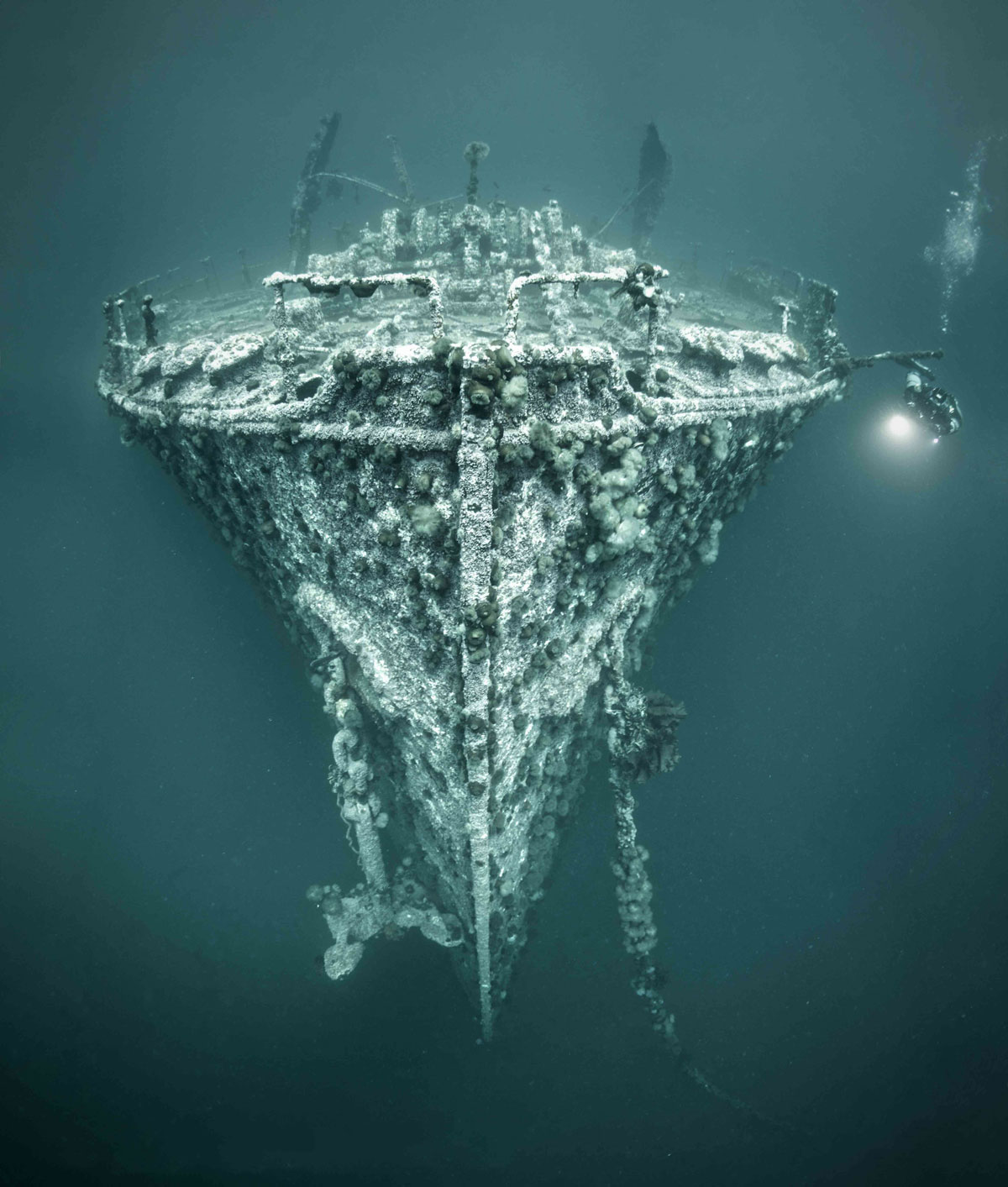
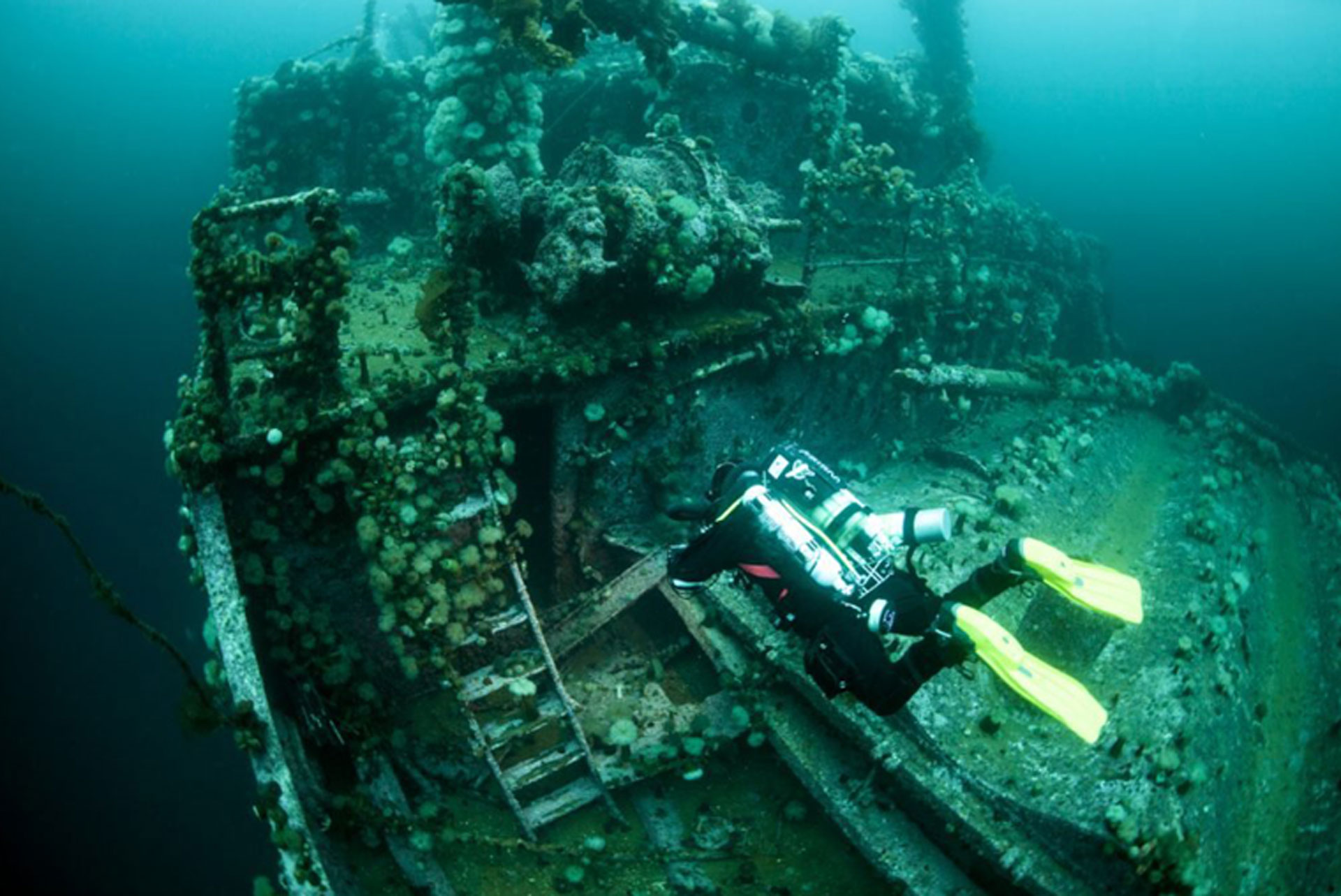
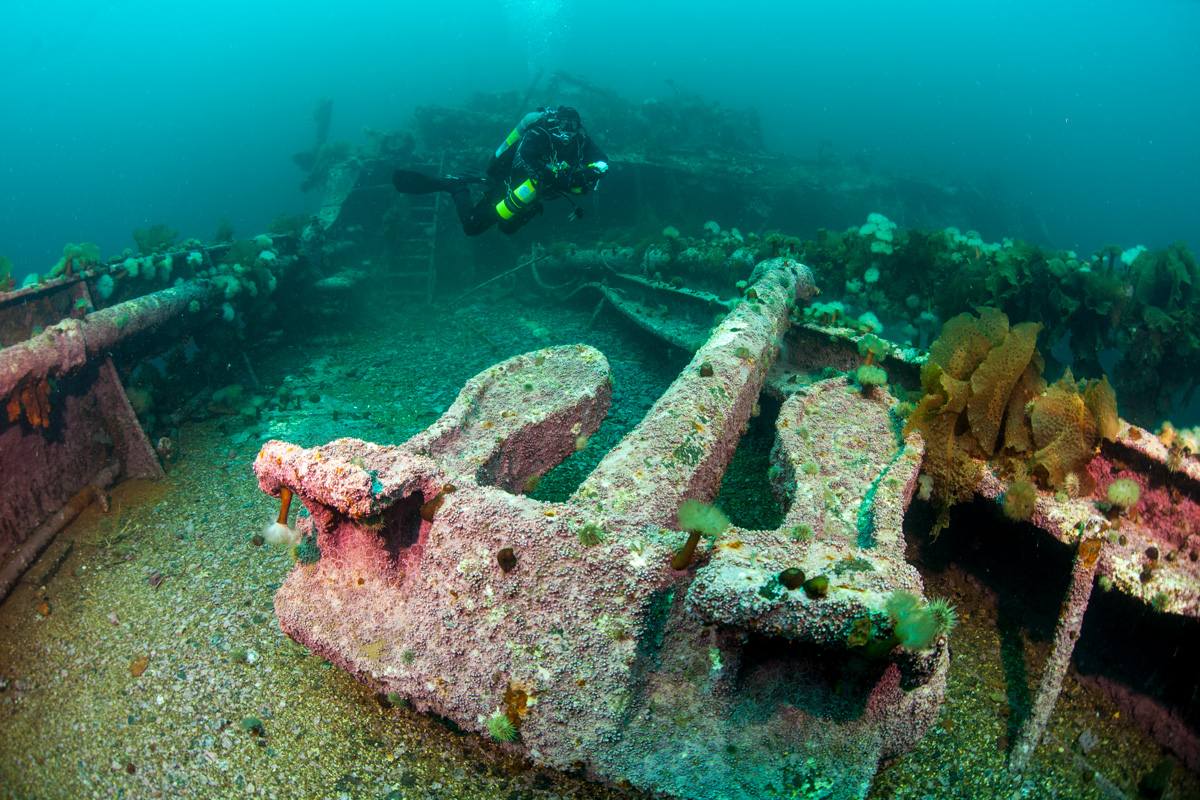
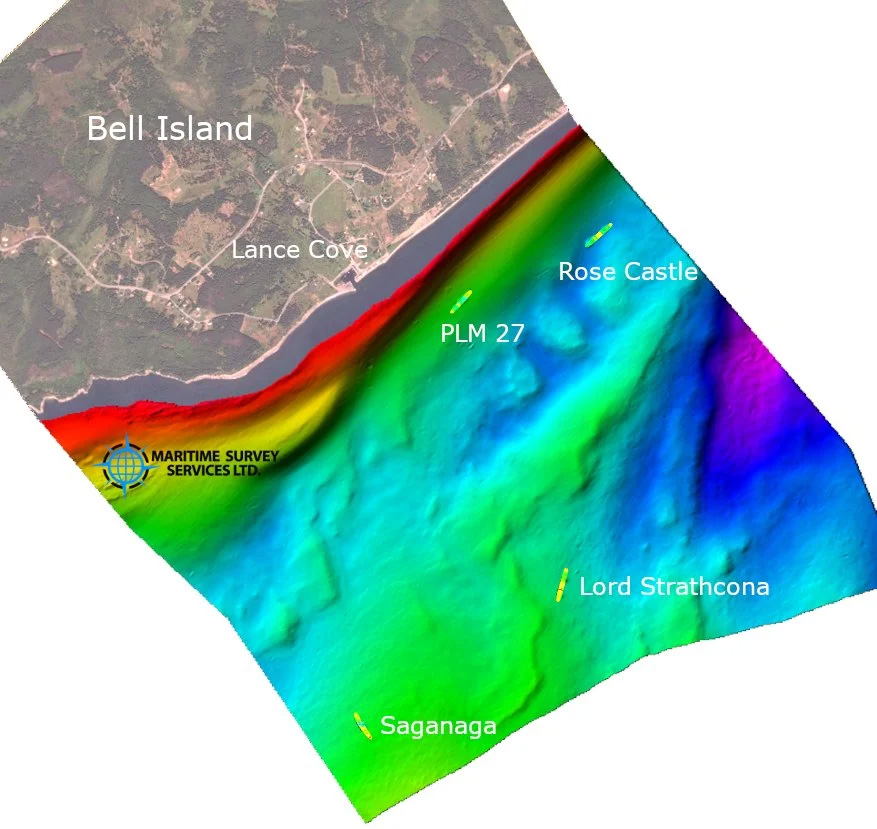
The four ships sunk at Bell Island lie within a relatively compact area of Conception Bay, forming a coherent underwater landscape.
- Saganaga Rests in approximately 25–30 metres of water, her structure broken by the force of the explosion.
- Lord Strathcona Lies nearby at 30–35 metres, largely intact.
- PLM-27 Rests in 25–30 metres, her midsection damaged, machinery exposed.
- Rose Castle The deepest of the four, lies in 40–45 metres, one of the most intact wrecks in the area.
The proximity of the wrecks reflects the nature of the attacks: ships anchored within a working harbour, struck where they lay.
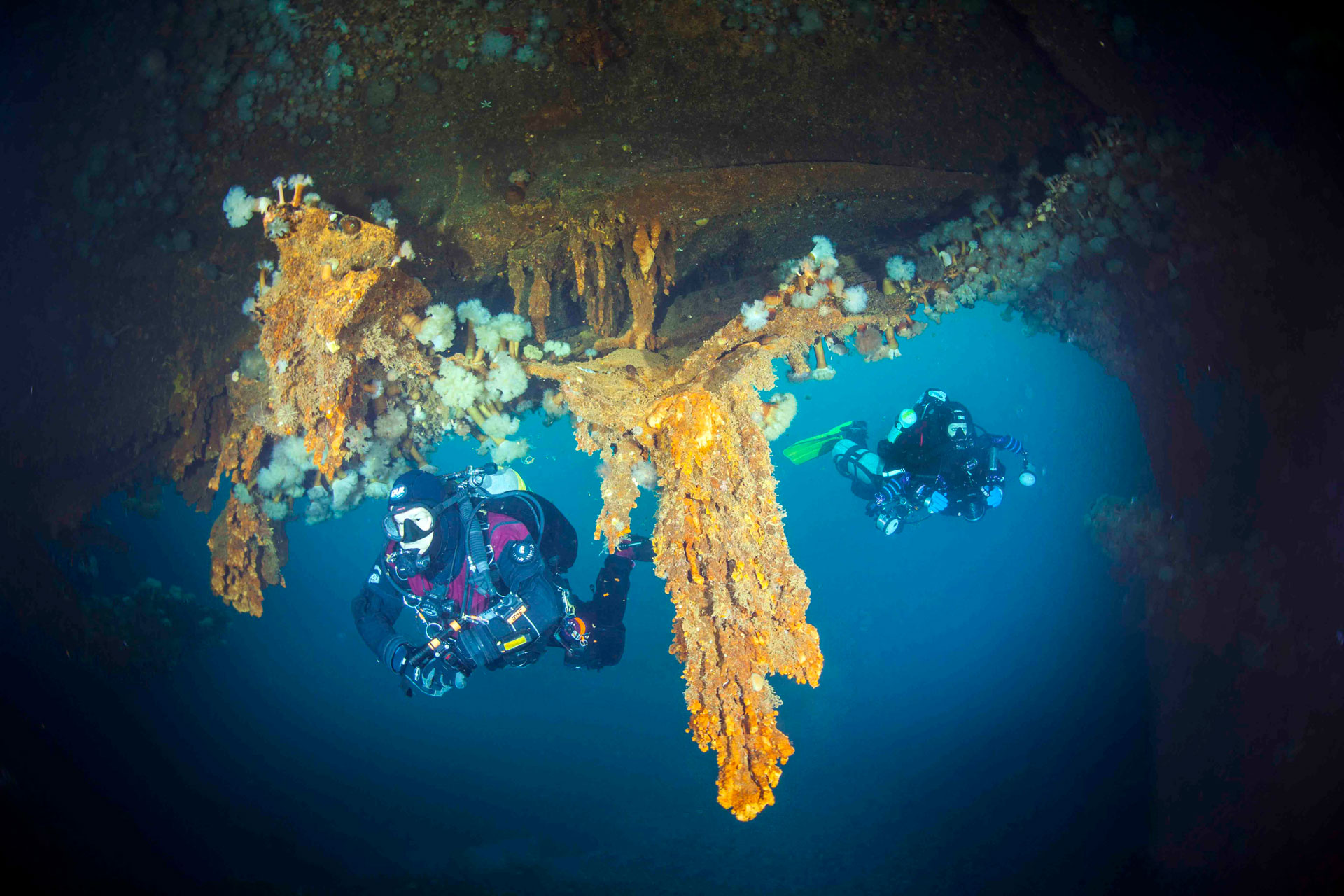
Conditions in Conception Bay are typical of the North Atlantic—cold water, variable visibility, and generally moderate currents. Over time, the wrecks have become part of the marine environment while preserving the physical evidence of the attacks.
Why Bell Island Matters
The Battle of the Atlantic was fought across an ocean.
Ships were sunk far from land. Crews were lost without witnesses. For many, there were no graves.
Bell Island is different.
Here, the war came into a harbour. It was seen from shore. Survivors were brought in by civilians. The dead were buried on the island. The ships sank close to shore and in relatively shallow waters.
What had not been intended as a battlefield became one—across both sea and shore.
Unlike most naval battlefields, where wrecks lie far apart and out of reach, Bell Island remains accessible—its history preserved within a single relatively compact, defined space.
The purpose of this project is to make that landscape visible through 3D photogrammetry and Digital Terrain Mapping (DTM), allowing visitors, historians, and marine scientists to visualize both the seabed and the shoreline together as a single, integrated three-dimensional landscape.
A Wider Atlantic Legacy
The Bell Island attacks brought the Battle of the Atlantic directly to Newfoundland’s shores. The four Allied vessels, the surviving coastal defences, the remnants of Scotia Pier, the Lance Cove cemetery, and the iron ore mine together form one of the most intact and geographically concentrated Second World War naval battlefields in eastern North America.
Across the ocean, thousands of ships were sunk far from land. Crews were lost without witnesses. For many, there were no marked graves. Sailors of the Royal Canadian Navy, the Royal Navy, the United States Navy, and the Merchant Navies of many nations—and those of Germany and Italy—died in waters where no memorial could be built and no cemetery established.
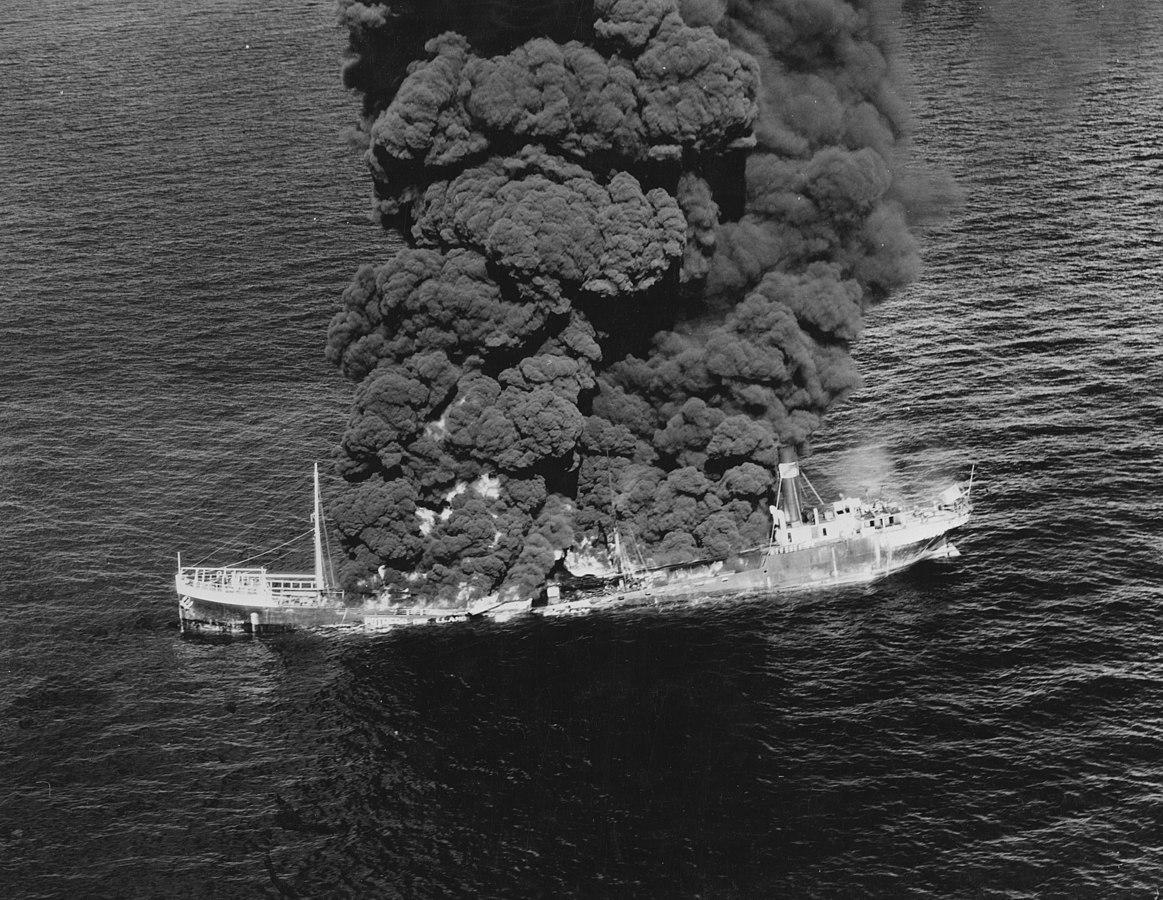
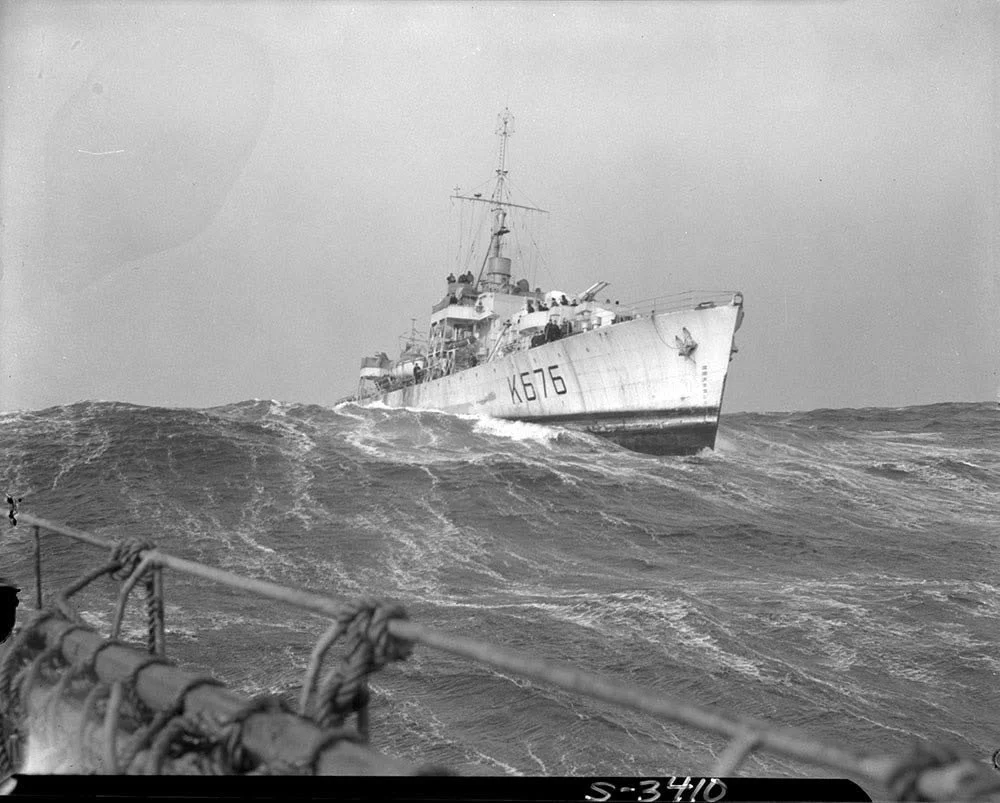
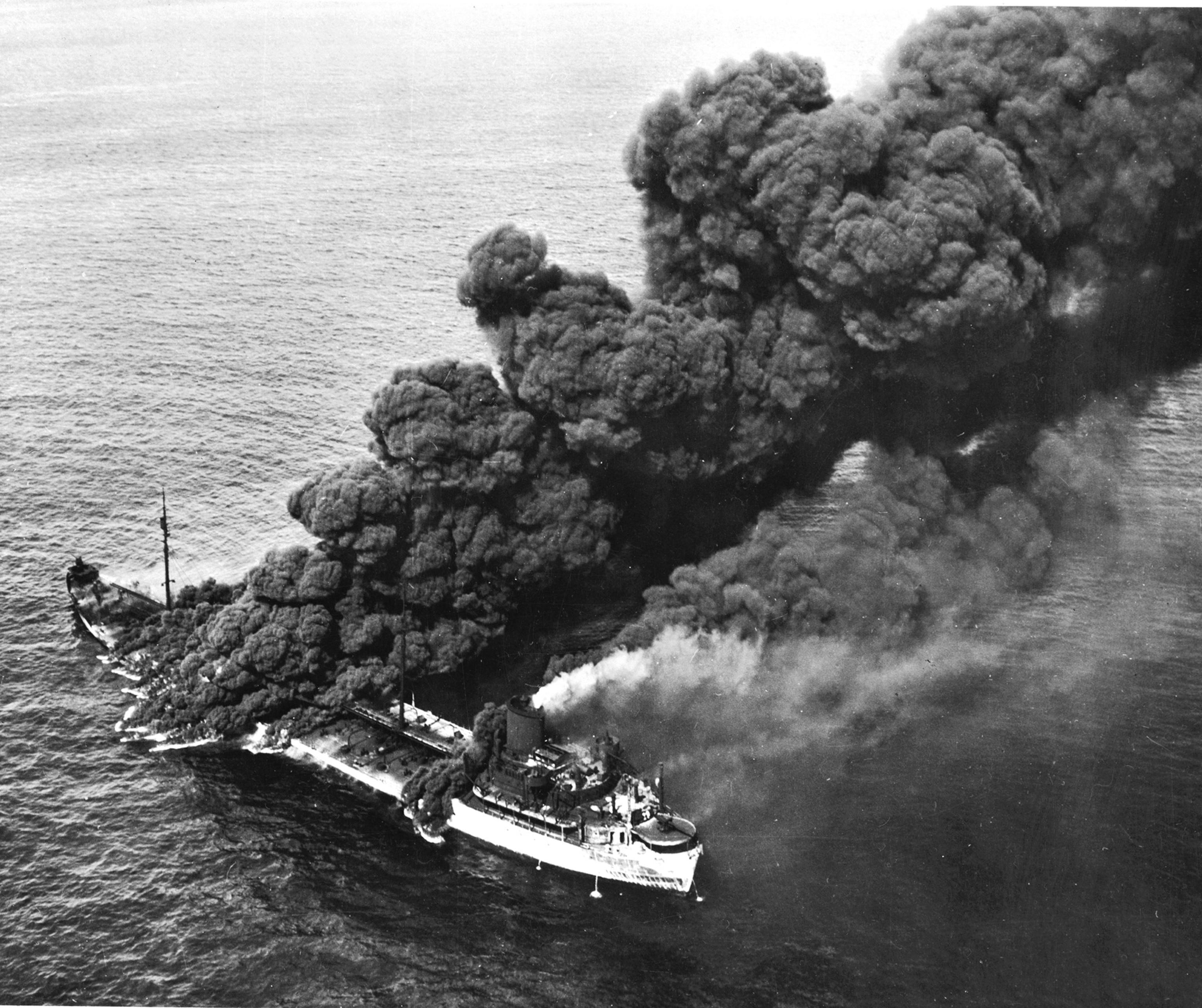
More than 4,600 Canadians of the Royal Canadian Navy, Royal Canadian Air Force, and Canadian Merchant Navy were lost during the Battle of the Atlantic. As Newfoundland was not yet part of Canada during the war, its losses are recorded separately. Approximately 150 to 200 members of the Newfoundland Royal Naval Reserve were killed, along with several hundred Newfoundland seamen serving in the Merchant Navy and Allied merchant fleets, many of them in the Atlantic.
The Royal Navy suffered more than 50,000 fatalities during the Second World War, a significant proportion of them in Atlantic convoy operations, while the British Merchant Navy lost more than 30,000 seamen, the majority in the Battle of the Atlantic. The United States Merchant Marine suffered approximately 9,500 fatalities during the war, most of them in the Atlantic, while an estimated 5,000 to 6,000 United States Navy personnel were killed in Atlantic convoy escort, anti-submarine, and coastal defence operations.
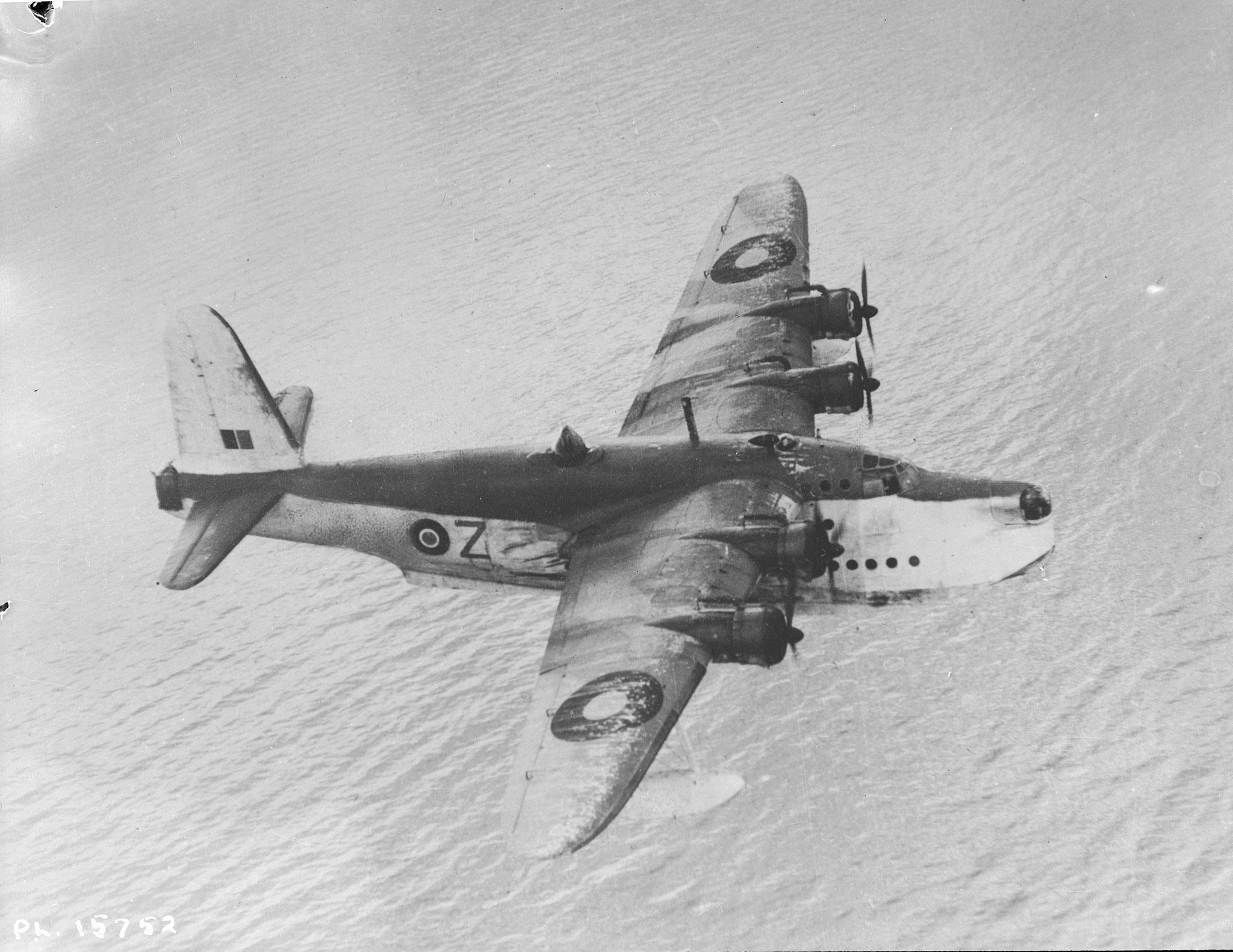
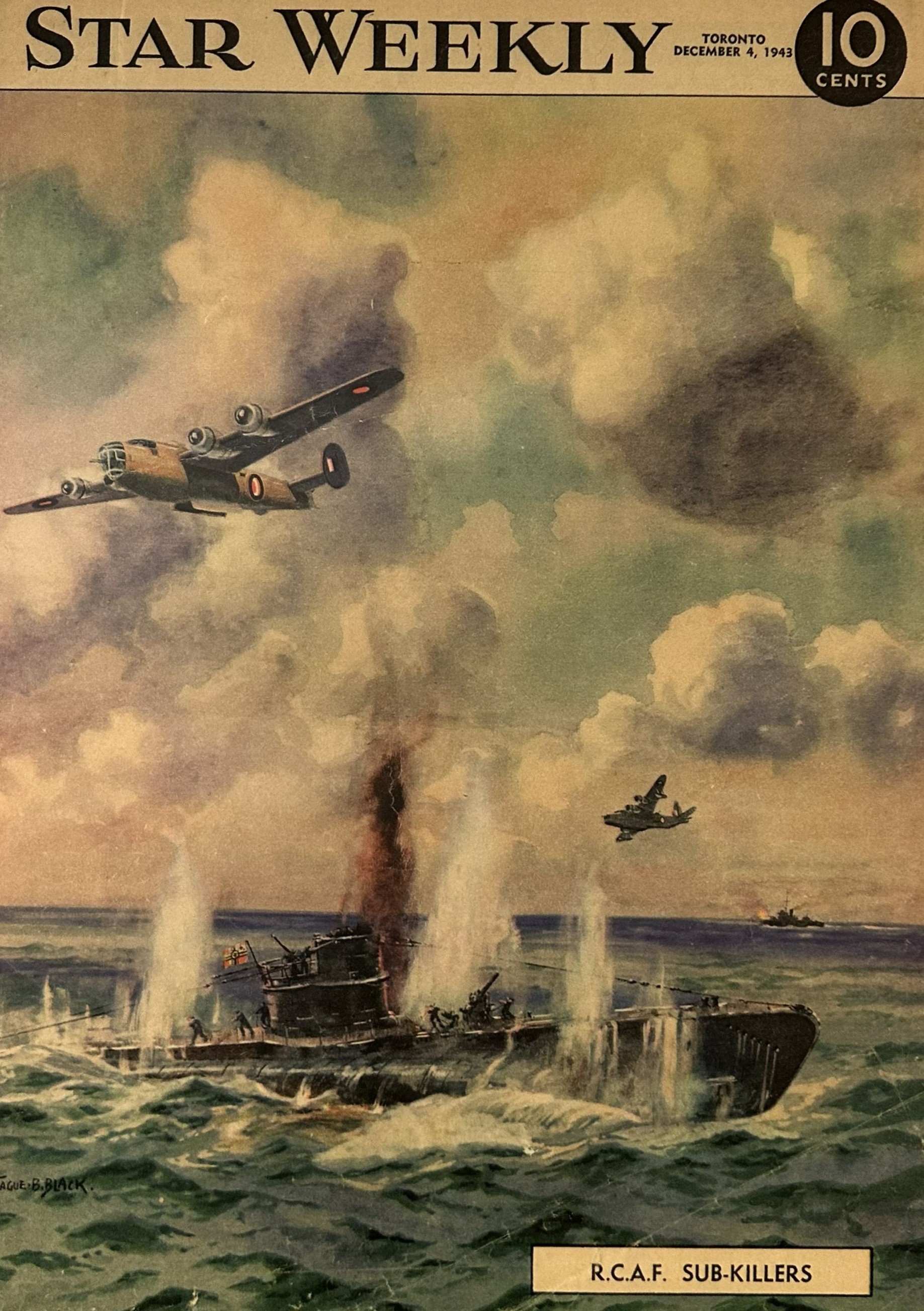
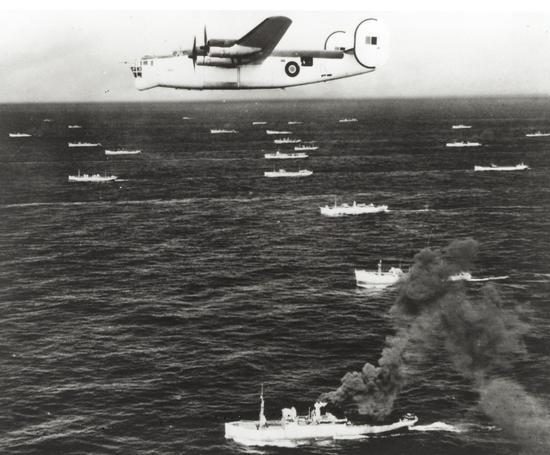
Air power was also central to the Atlantic war. Aircraft of the Royal Air Force, the Royal Canadian Air Force, and the United States Navy and Army Air Forces flew long-range patrols over the North Atlantic, often in extreme weather and at the limits of their range. Many crews were lost in operations far from land, their aircraft disappearing into the sea they were tasked to defend. German and Italian air forces also sustained losses in maritime patrol, reconnaissance, and anti-shipping operations across the Atlantic theatre.
The Battle of the Atlantic was a multinational effort. Sailors, airmen, and merchant seamen from across the Allied world—including those from Britain, Canada, Newfoundland, the United States, Norway, and other occupied and allied nations—served in convoy escort, merchant shipping, and maritime air operations. Many were lost at sea or in the air, often far from their home countries and without marked graves.
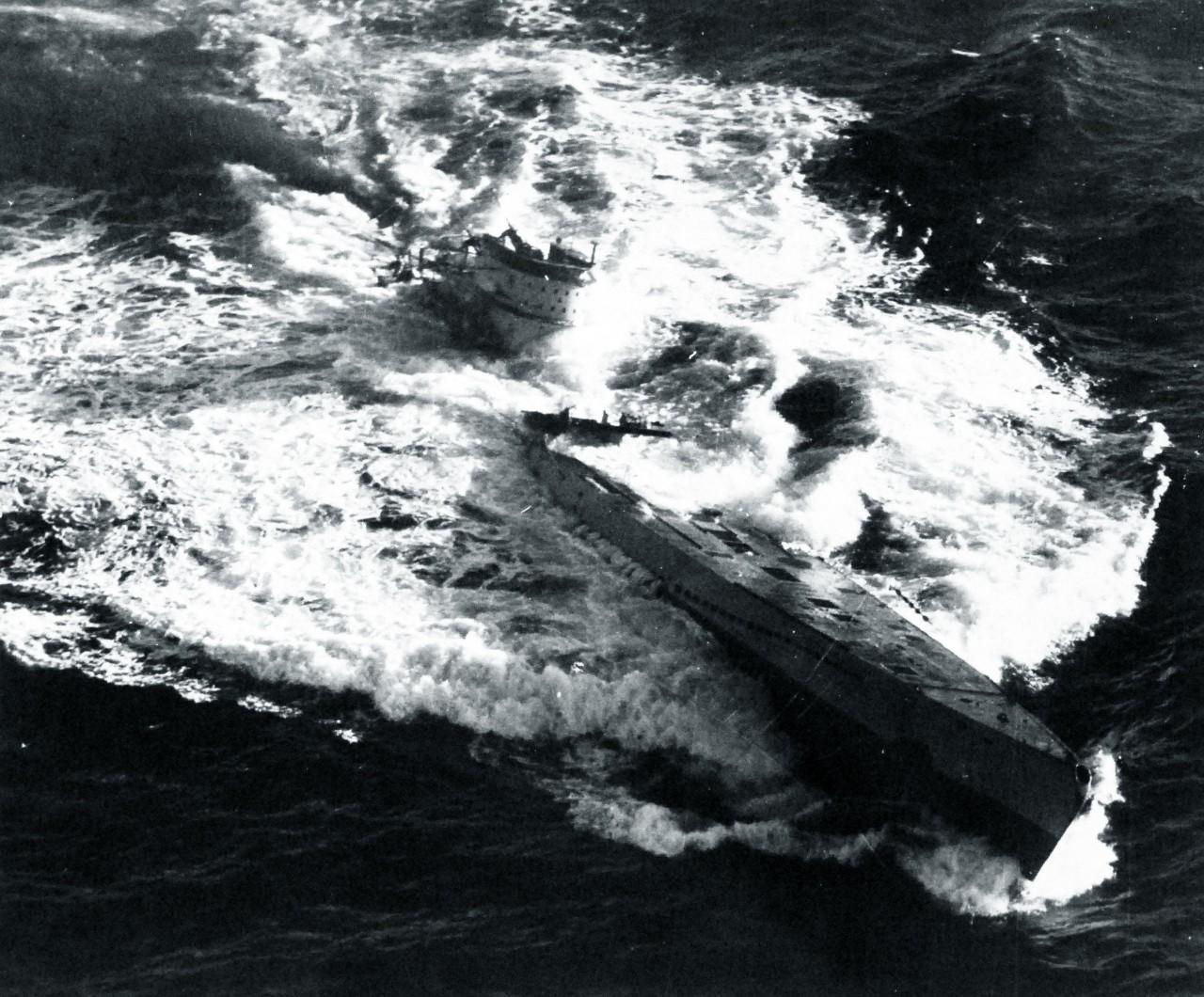
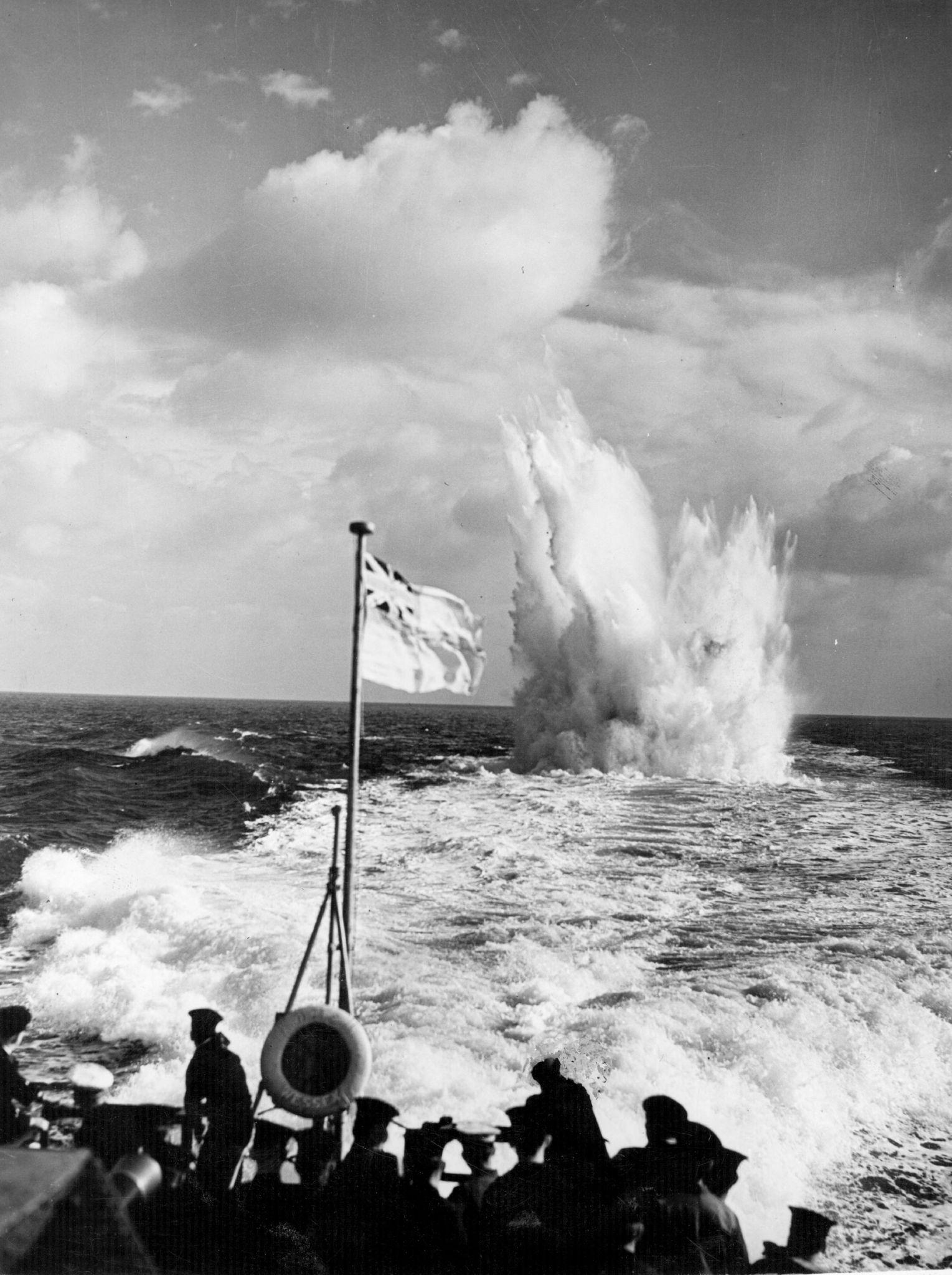
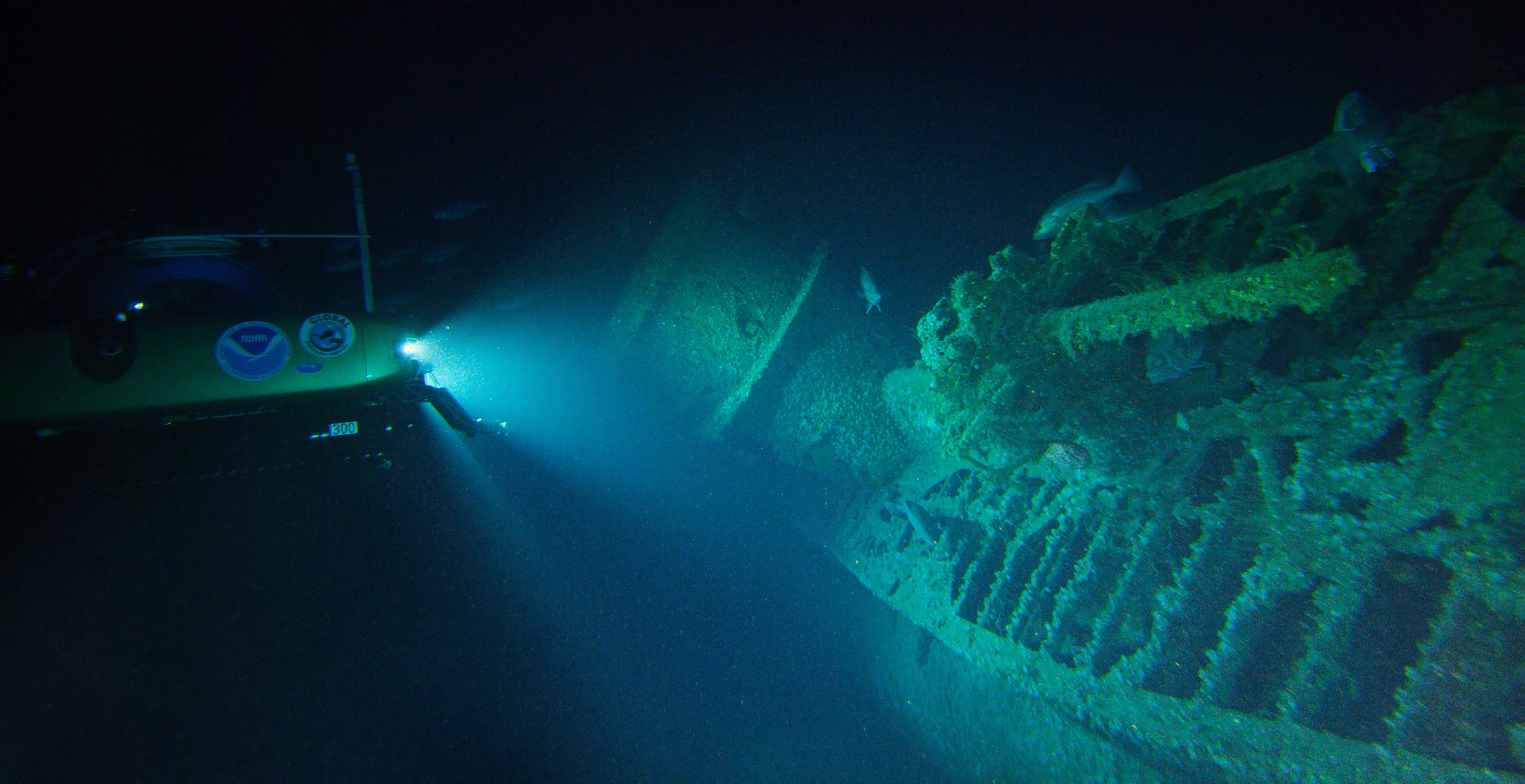
On the opposing side, more than 30,000 German submariners died at sea—while thousands of additional German naval personnel and merchant sailors, as well as approximately 2,900 Italian naval and merchant personnel, were also lost, most with no grave but the ocean.
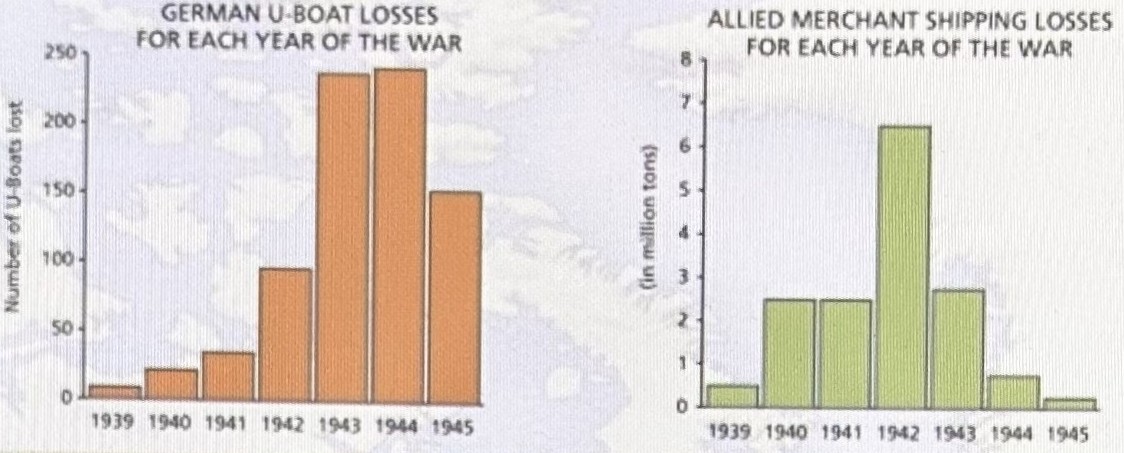
At Bell Island, the dead were brought ashore and buried. The attacks were seen from land. Survivors were rescued by civilians. The ships remain within reach.
What is dispersed across an ocean can, here, be understood in one place.
The purpose of this project is not to replace existing memorials, but to extend their meaning—to use 3D photogrammetry and Digital Terrain Mapping (DTM) to make visible a wider Atlantic landscape of loss, service, and sacrifice, much of which lies beyond sight beneath the sea.