Battle of the Atlantic Memorial — Bell Island and the North Atlantic War
Support the Expedition
The Bell Island Battle of the Atlantic Virtual Memorial Expedition is a Canadian-led initiative to document and commemorate one of the most significant naval battlefields of the Second World War.
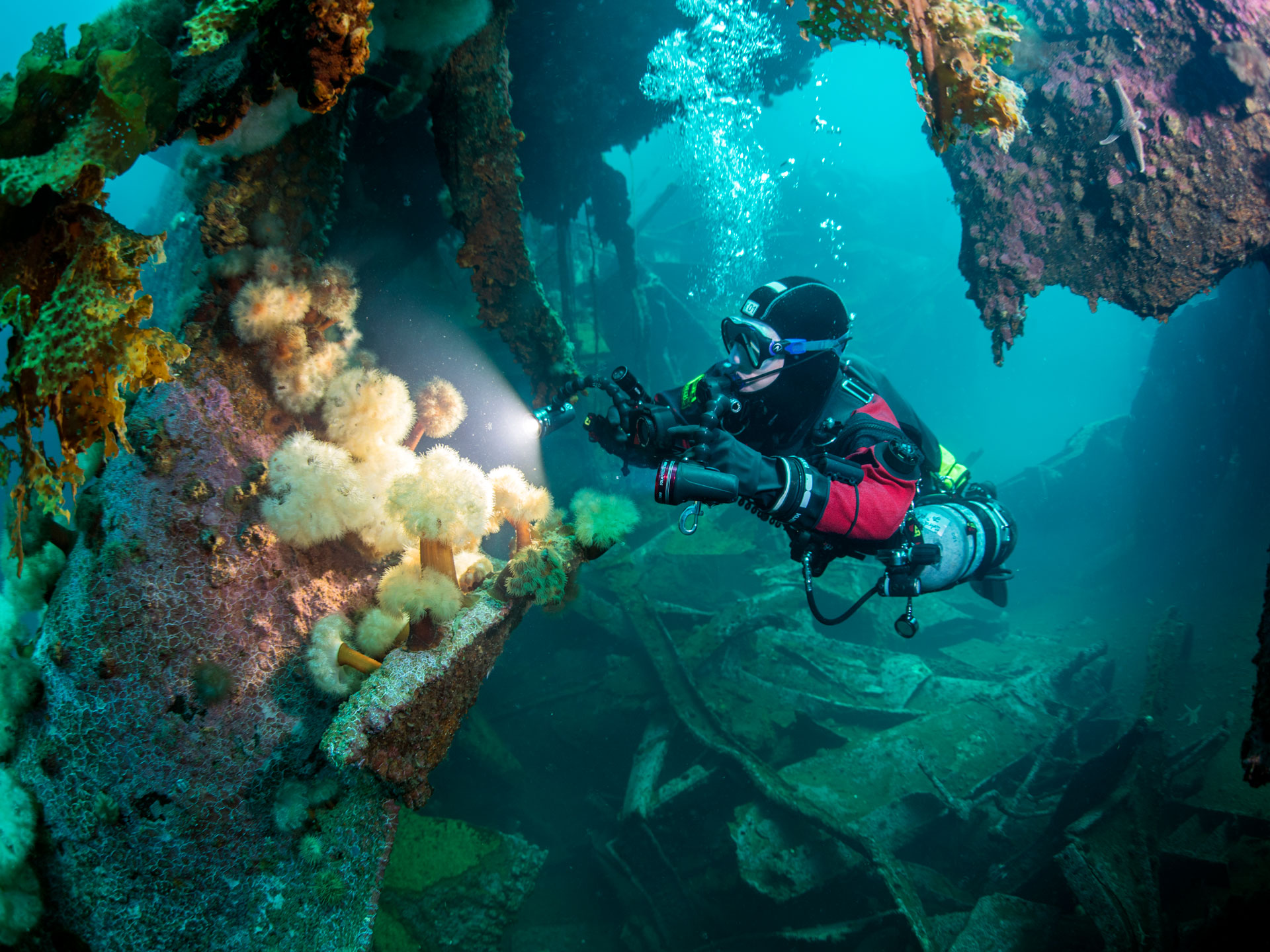
This project brings together historical research, underwater archaeology, marine sciences, and advanced three-dimensional mapping to record the wrecks at Bell Island and interpret them within the wider North Atlantic war.
It will result in a permanent digital memorial—accessible to Canadians and an international audience—that preserves and presents this unique wartime landscape.
Support the Expedition
Why This Matters
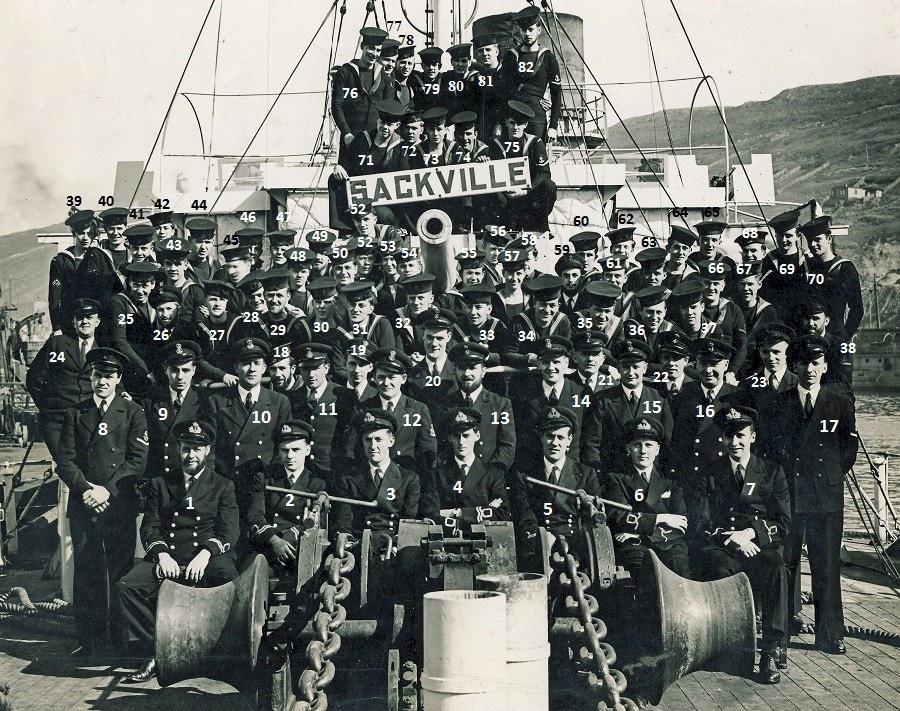
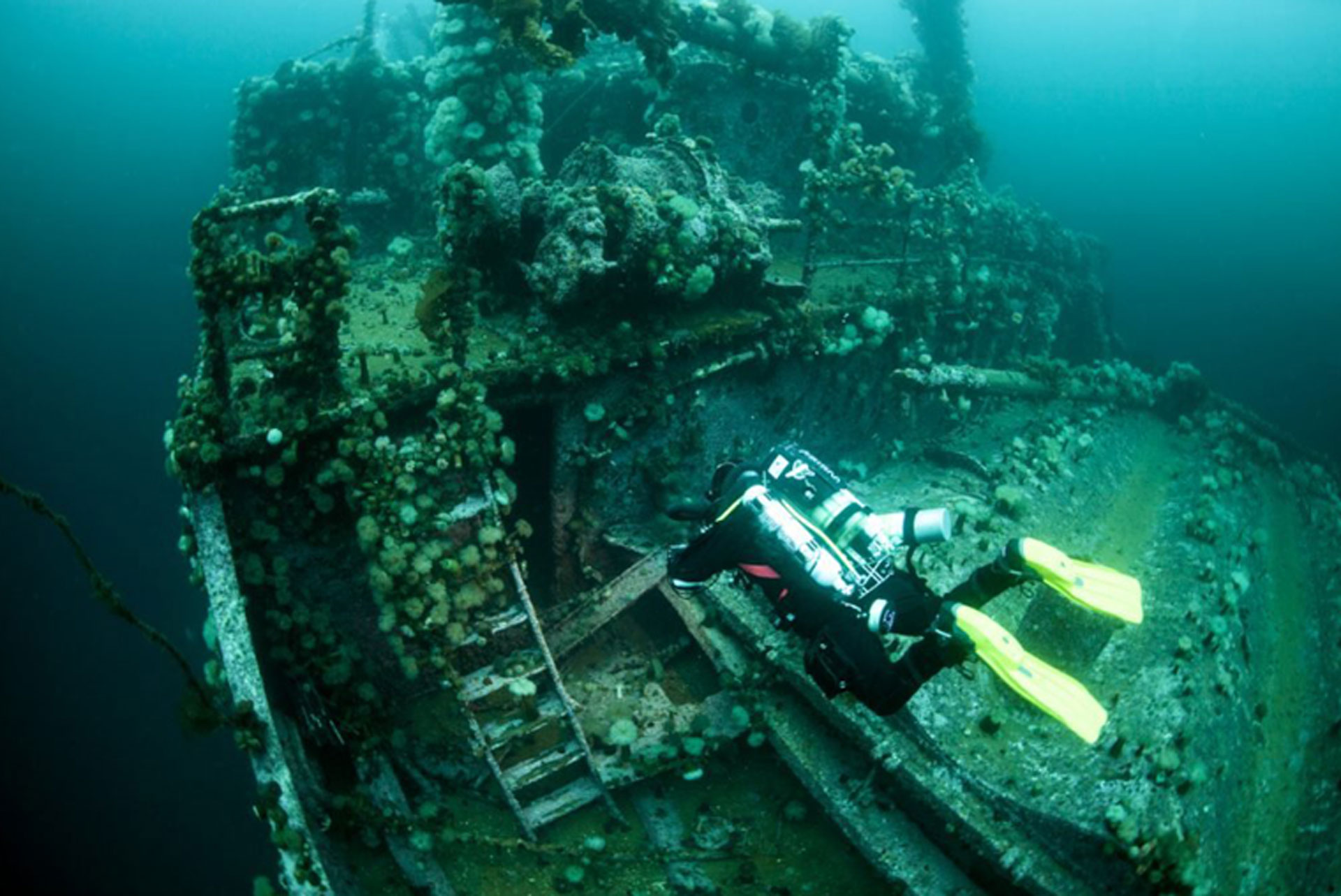
Unlike land battlefields, the naval war is largely invisible. Ships were lost offshore, often without witnesses, and many who died have no known grave.
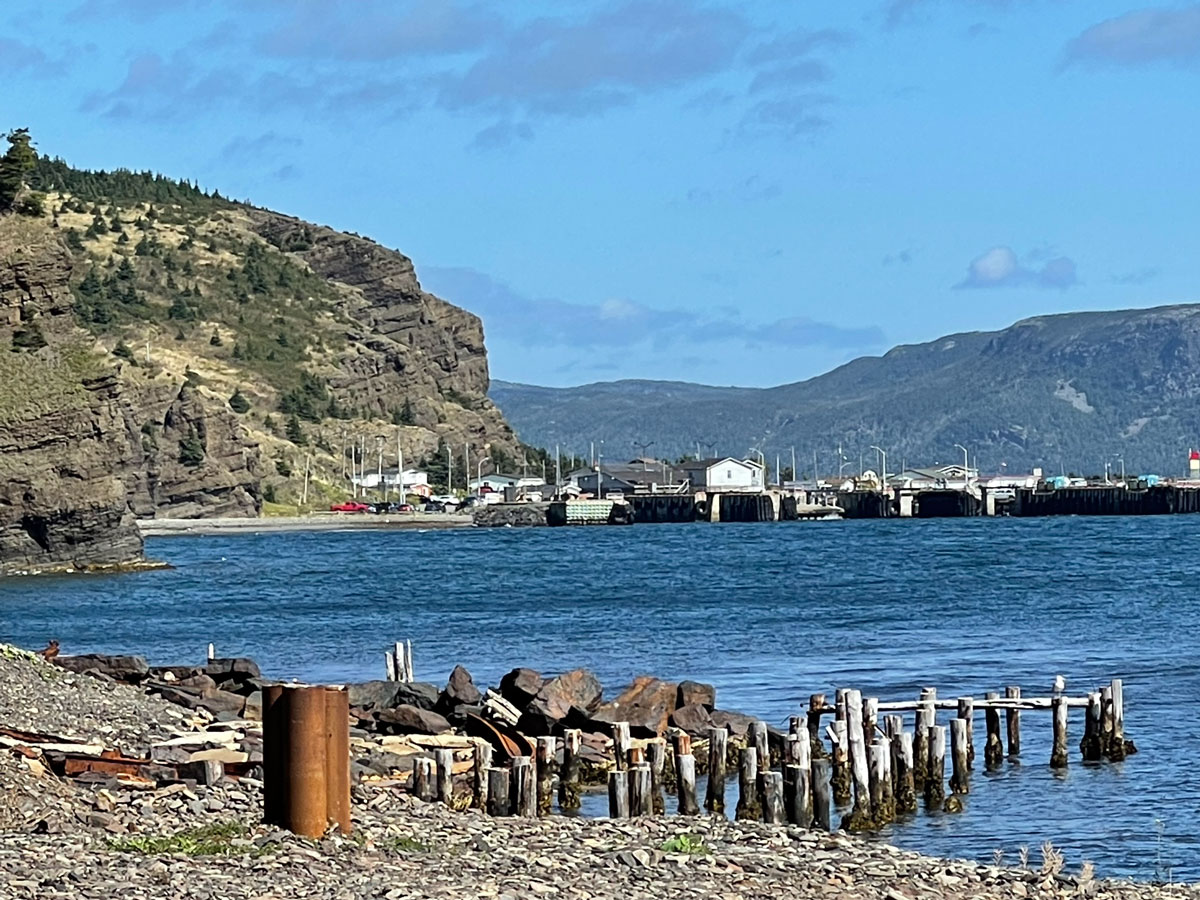
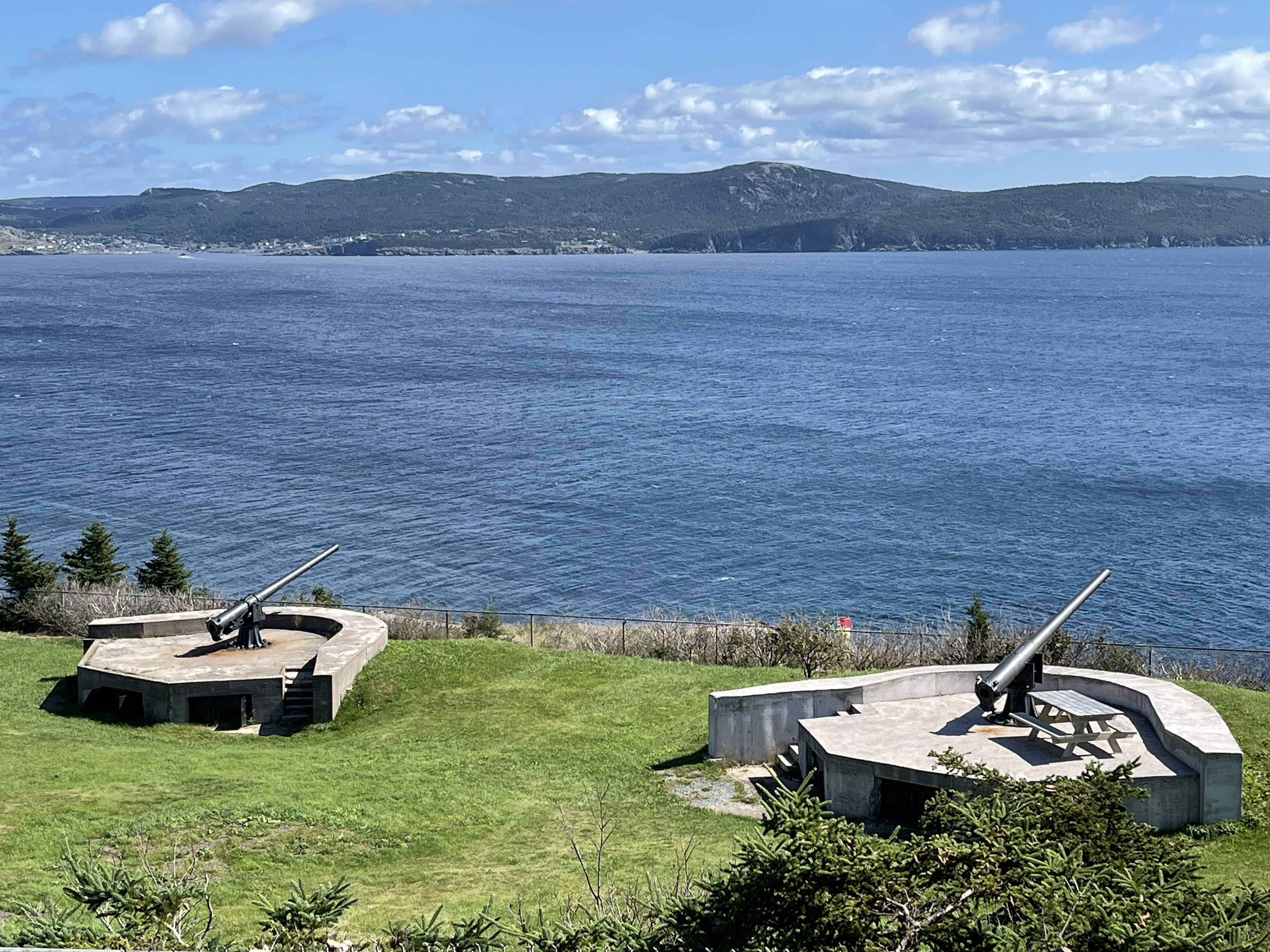
Bell Island is one of the few places where this history can still be understood in a defined and accessible setting—where wrecks, coastal defences, industrial infrastructure, and memorial sites remain linked within a single landscape.
This project ensures that one of Canada’s most important wartime environments is properly documented, preserved, and made accessible for future generations.
Why Now
Field operations for the Bell Island Expedition are planned for 2027.
Securing funding in advance is essential to confirm vessel availability, deploy specialized imaging systems, support field operations, and enable student participation through Memorial University’s Marine Institute.
Without this support, the full documentation of the site—and the creation of the Virtual Memorial—will not be possible at the intended scale.
What Your Support Enables
Contributions directly support:
- Vessel operations in Conception Bay
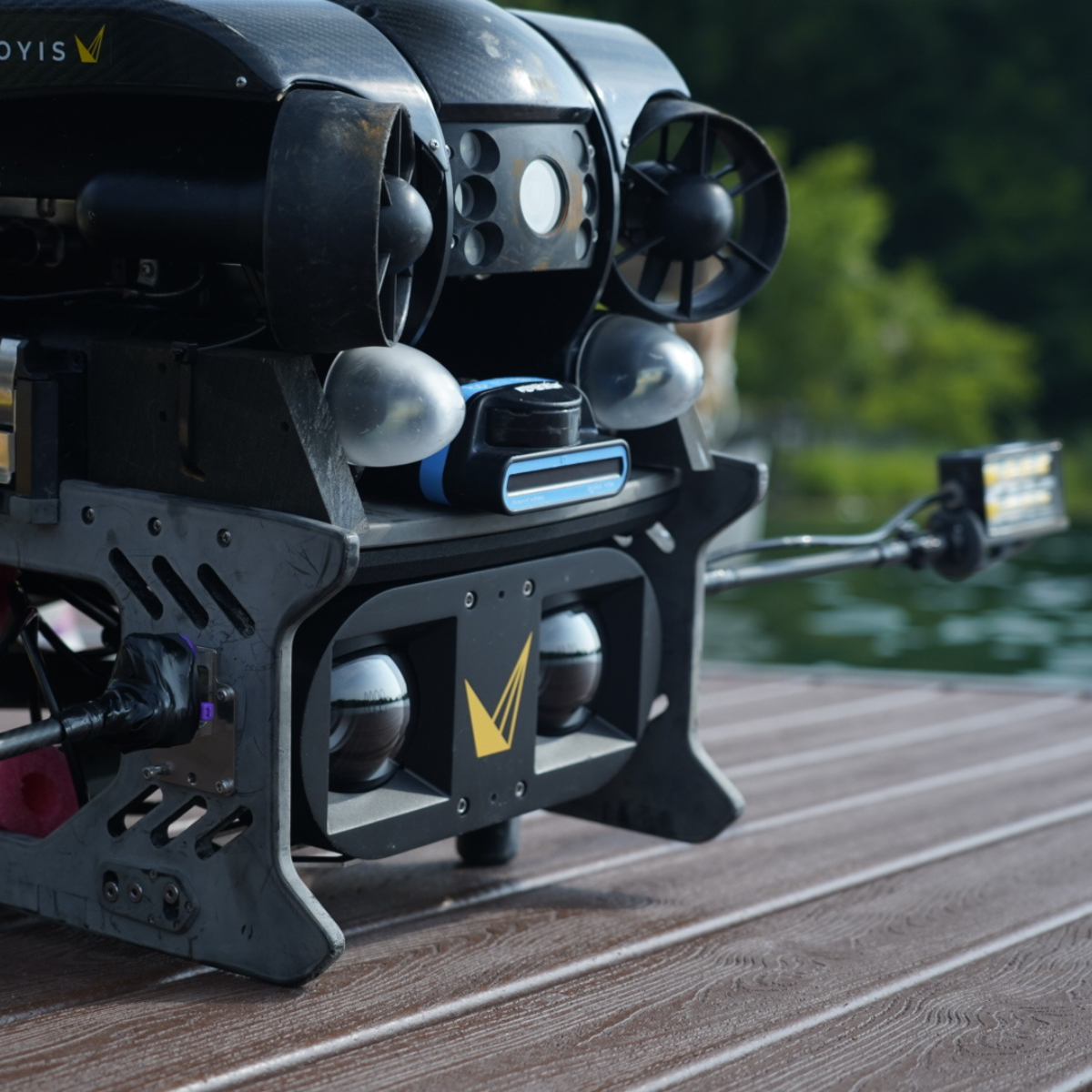
- Underwater imaging and survey technology
- High-resolution data acquisition of the wrecks and surrounding landscape
- Aerial and terrestrial mapping of shoreline and infrastructure
- Expedition logistics and field operations
- Student training and academic participation
- Development of the Bell Island Virtual Memorial platform
- Public education, outreach and heritage tourism
Climate and Preservation: Why This Work Is Time-Sensitive
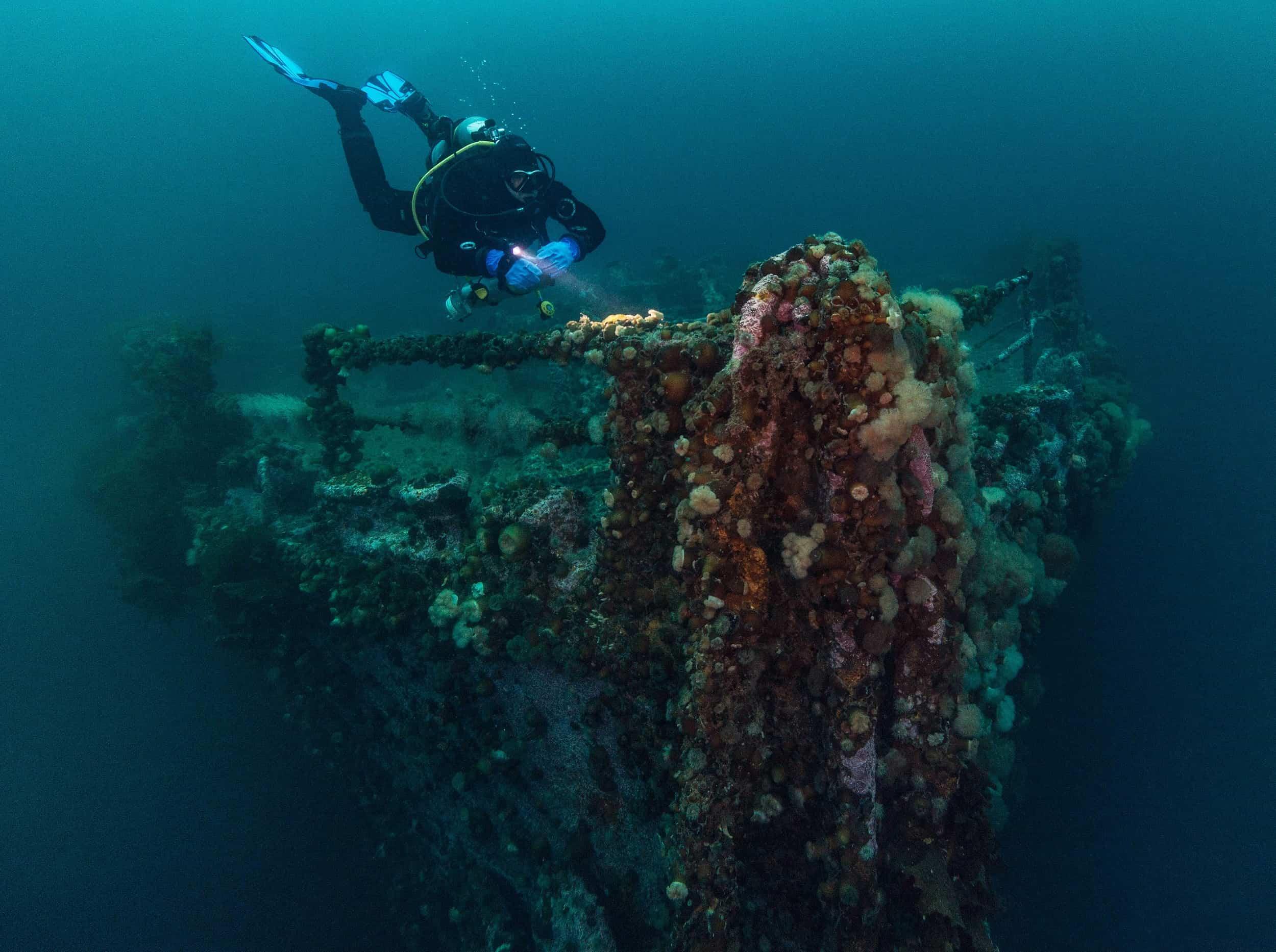
The Bell Island wrecks have been on the seabed for more than eighty years. Over that time, they have become part of the marine environment—but they are also subject to ongoing deterioration.
Changes in ocean conditions, including temperature variation, biological activity, and long-term environmental shifts, are affecting both the surrounding ecosystem and the physical structure of the wrecks themselves.
The expedition will establish a baseline record of:
- Environmental conditions and marine life associated with the wrecks
- Structural condition and integrity of each vessel
- Site formation processes and long-term preservation trends
This baseline will provide a reference point for future scientific and archaeological study, allowing researchers to track environmental change and assess the rate and nature of site deterioration over time.
Without this documentation, both the ecological context and the physical condition of the wrecks will continue to change without a comprehensive record of their current state.
Expedition Collaboration and Expertise
The expedition is carried out through a coordinated partnership combining academic, technical, and expeditionary expertise:
- Marine Institute, Memorial University of Newfoundland (MI–MUN): vessels, operations, and research integration
- VOYIS Imaging: underwater imaging systems and data processing
- Royal Canadian Geographical Society (RCGS): expedition governance, funding administration, and national outreach
- Shipwreck Preservation Society of Newfoundland and Labrador (SPSNL): heritage stewardship and provincial coordination
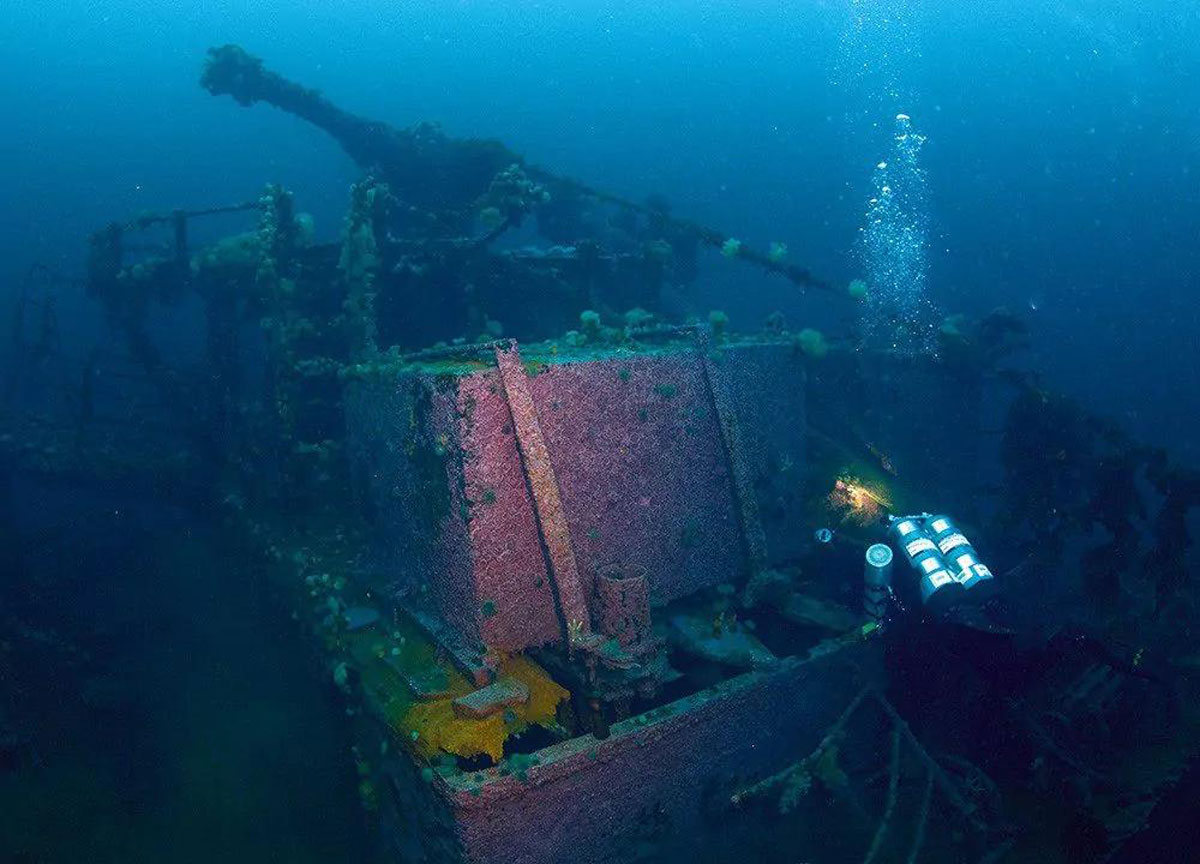
- HMCS Canada Expedition Dive Team: advanced underwater documentation and field operations
The expedition has been awarded a Major Grant by the Royal Canadian Geographical Society and operates under its established governance and financial oversight framework.
How to Support the Project
Donations may be made through the Royal Canadian Geographical Society’s secure expedition funding portal:
https://secure.qgiv.com/for/bellislandexpedition/
All contributions are administered through the Society’s official expedition program and are eligible for Canadian charitable tax receipting.
Organizations and individuals interested in partnership or sponsorship opportunities are invited to contact the expedition directly.
Contact the Expedition
Joseph Frey
Expedition Lead and Project Director
Battle of the Atlantic Virtual Memorial — Bell Island and the North Atlantic War
Email: bellislandexpedition@gmail.com
A Project of National and International Significance
The Bell Island Expedition will create a permanent digital record of one of the most intact naval battlefields of the Second World War.
By integrating archaeology, marine science, and historical research, the project will preserve a site that would otherwise remain largely unseen and difficult to interpret.
Support for the expedition contributes directly to:
- preservation of a nationally significant wartime site
- advancement of interdisciplinary research
- development of innovative digital heritage tools
- public understanding of the Battle of the Atlantic
- commemoration of those who served and died at sea
Without this work, much of this history will remain out of sight—and, over time, may be lost to both environmental change and structural deterioration.