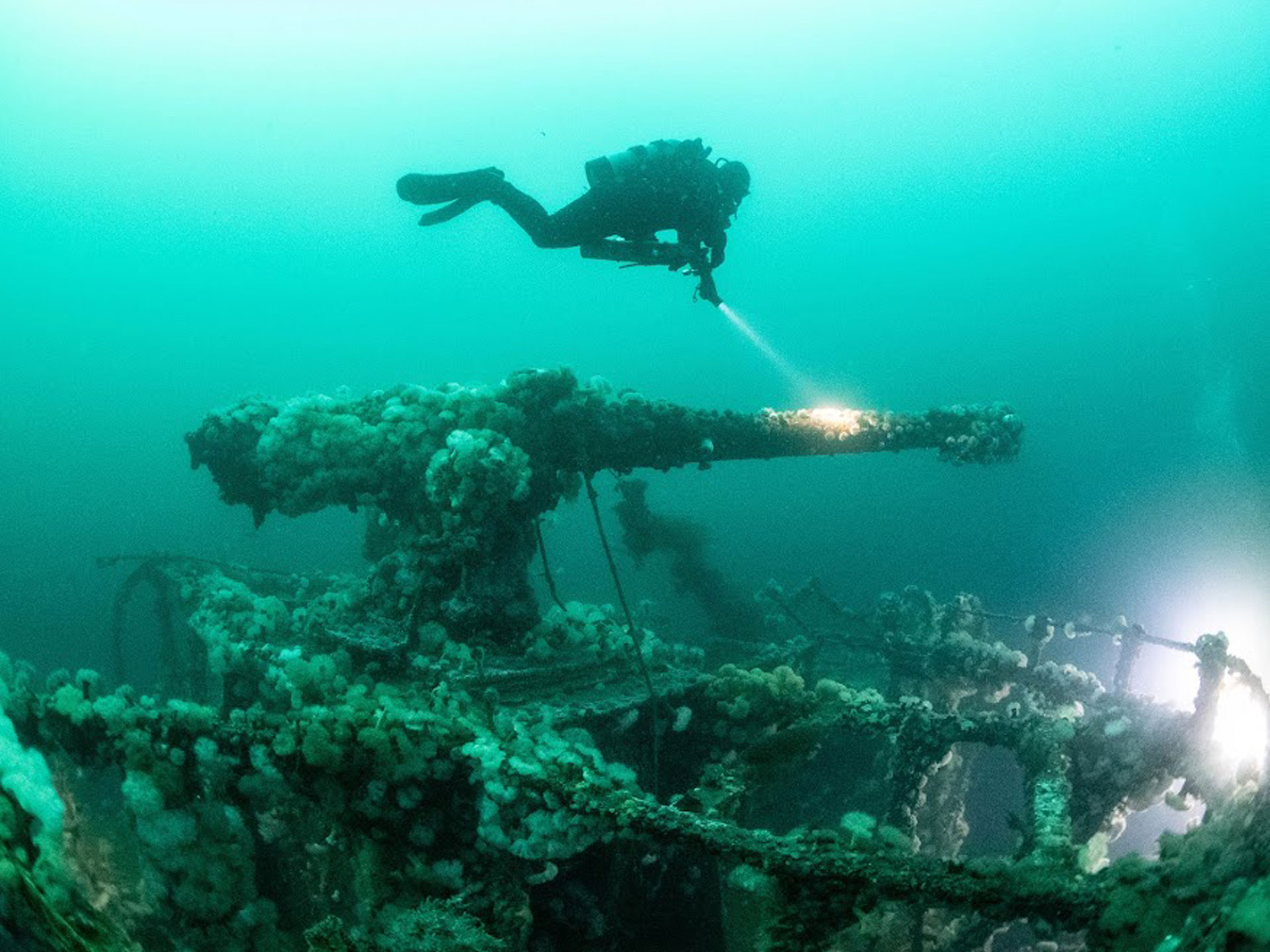
Slide Image

Canada’s Battle of the Atlantic Virtual Memorial

Bell Island, Newfoundland and Labrador — 1942

Unlike land warfare, naval combat leaves few visible traces. Ships sink offshore, crews are lost, and families are often left without graves or places to remember. The Battle of the Atlantic—the longest campaign of the Second World War—remains one of the least visible, yet most consequential chapters in Canada’s history.

This project will make that invisible battlefield visible—through archaeology, marine science, and digital reconstruction.

Slide Image

Canada’s Battle of the Atlantic Virtual Memorial

Bell Island, Newfoundland and Labrador — 1942

Unlike land warfare, naval combat leaves few visible traces. Ships sink offshore, crews are lost, and families are often left without graves or places to remember. The Battle of the Atlantic—the longest campaign of the Second World War—remains one of the least visible, yet most consequential chapters in Canada’s history.

This project will make that invisible battlefield visible—through archaeology, marine science, and digital reconstruction.

The Battle of the Atlantic was the dominating factor all through the war. Never for one moment could we forget that everything happening elsewhere, on land, at sea, or in the air depended ultimately on its outcome.

Winston Churchill

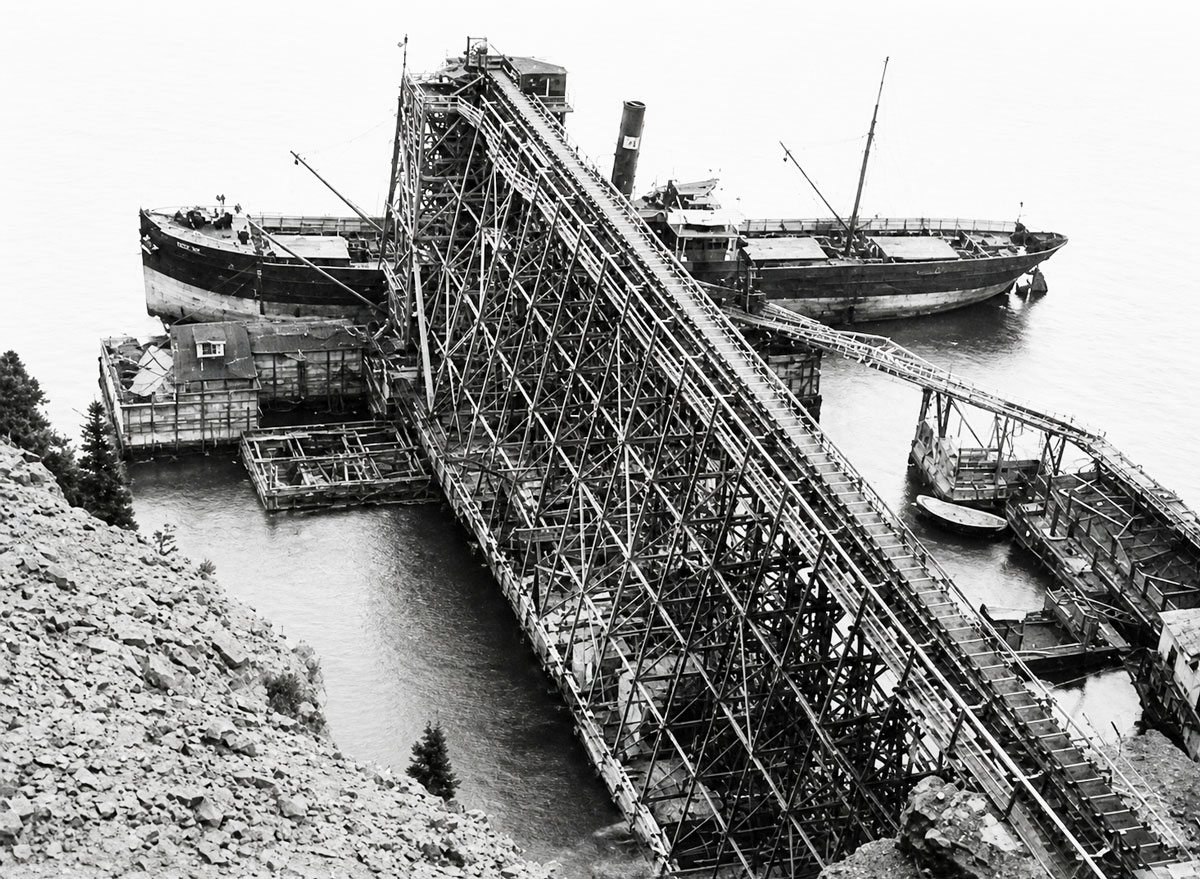
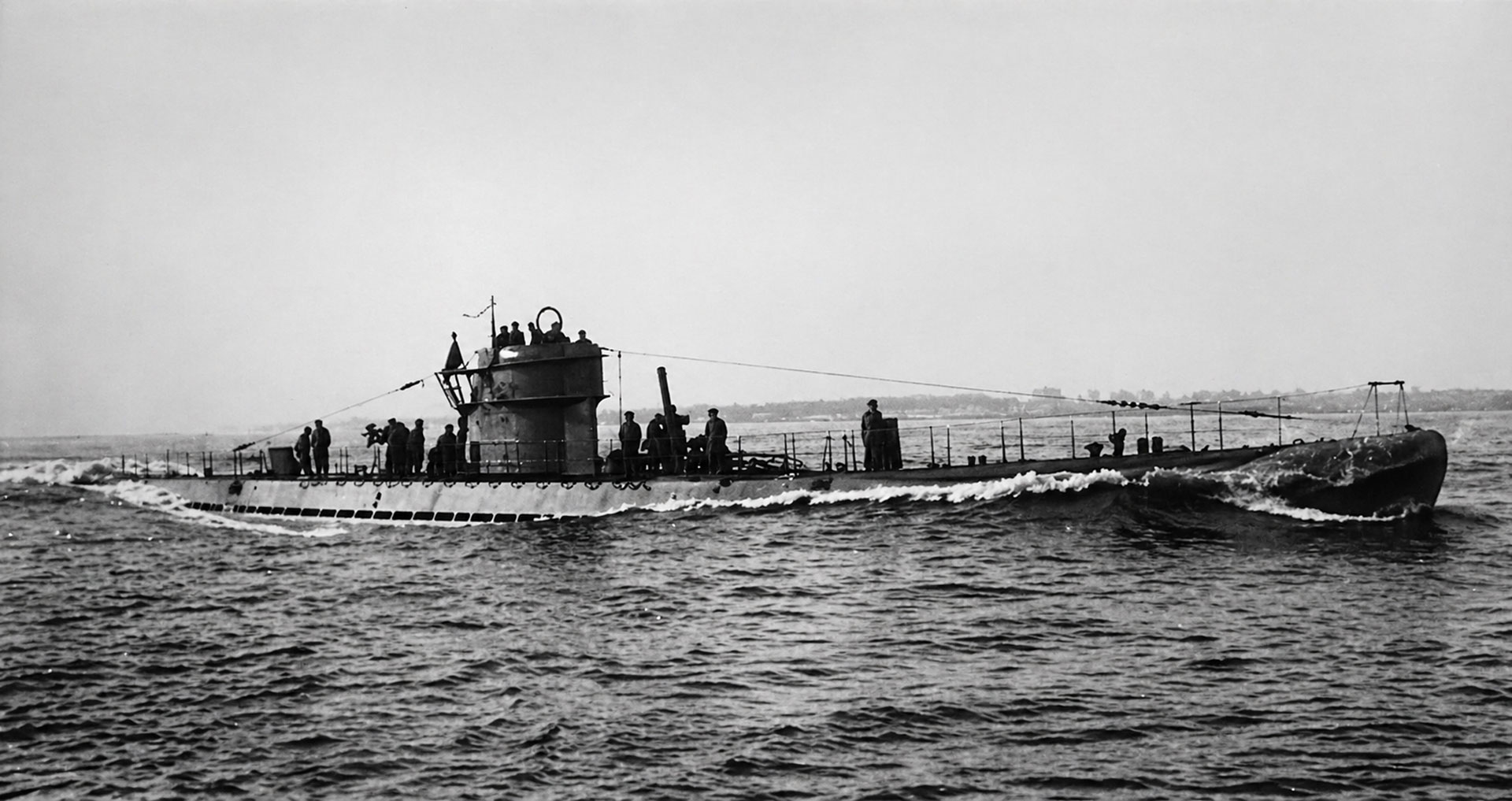
The only defended industrial harbour in North America attacked by German U-boats during the Second World War

The war at sea

Battle of the Atlantic — Archival footage of Royal Canadian Navy and Royal Canadian Air Force operations, Allied convoys, and the war at sea (1939– 1945).

An Invisible Battlefield

Unlike traditional battlefields, the Battle of the Atlantic left no preserved front lines, monuments, or cemeteries to convey its scale. Over 4,600 Canadian sailors, air crew and merchant seamen from the Royal Canadian Navy, Newfoundland Escort Force, Royal Canadian Air Force, and Merchant Marine, were lost at sea, often without graves, and families were left without a place to visit or remember. As a result, much of this defining campaign remains physically and publicly invisible.

The Bell Island Battle of the Atlantic Virtual Memorial addresses this absence by creating a permanent, accessible representation of one of Canada’s most significant wartime environments.
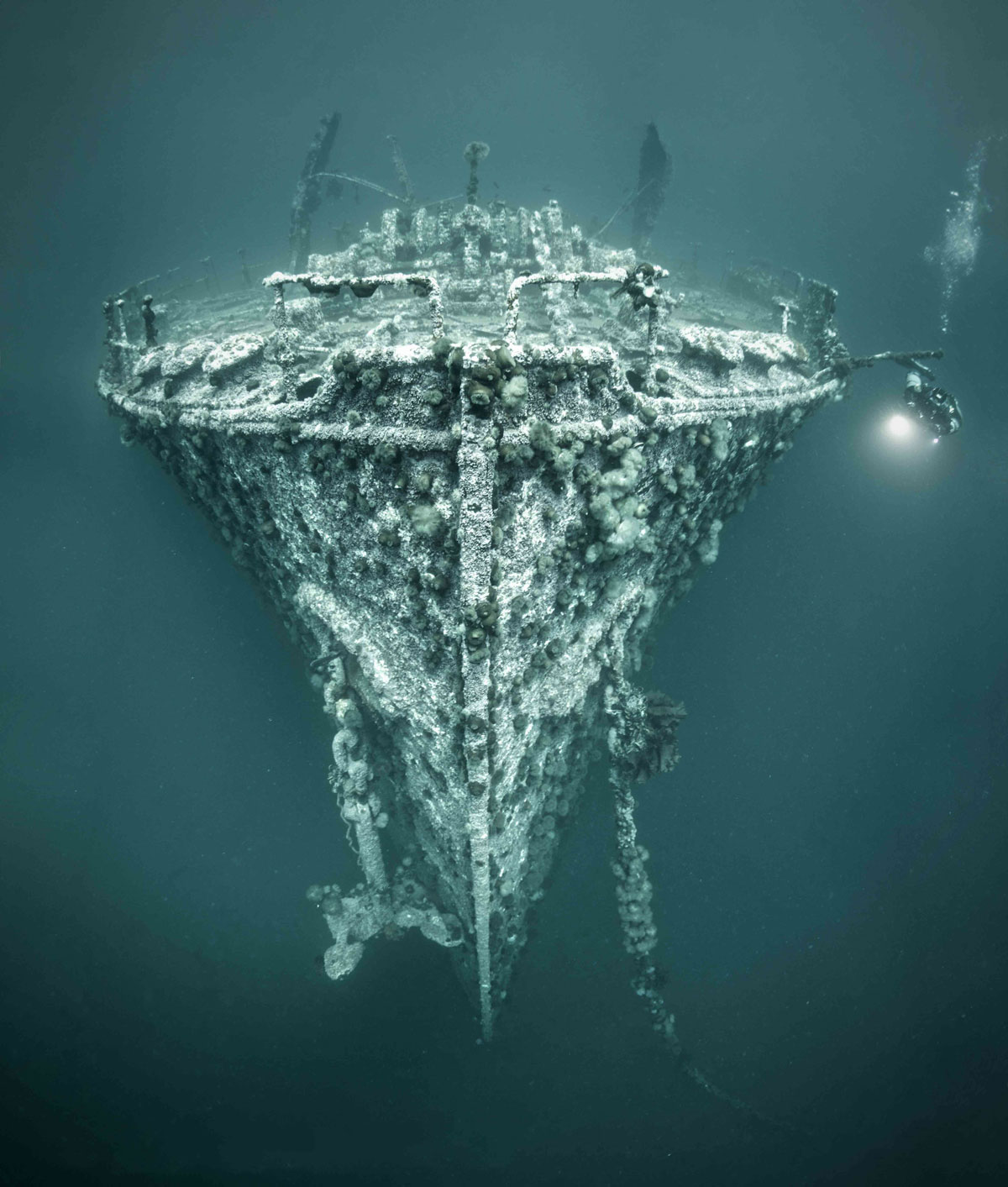
Learn More
An Invisible Battlefield

A Memorial Built Through Science and Exploration
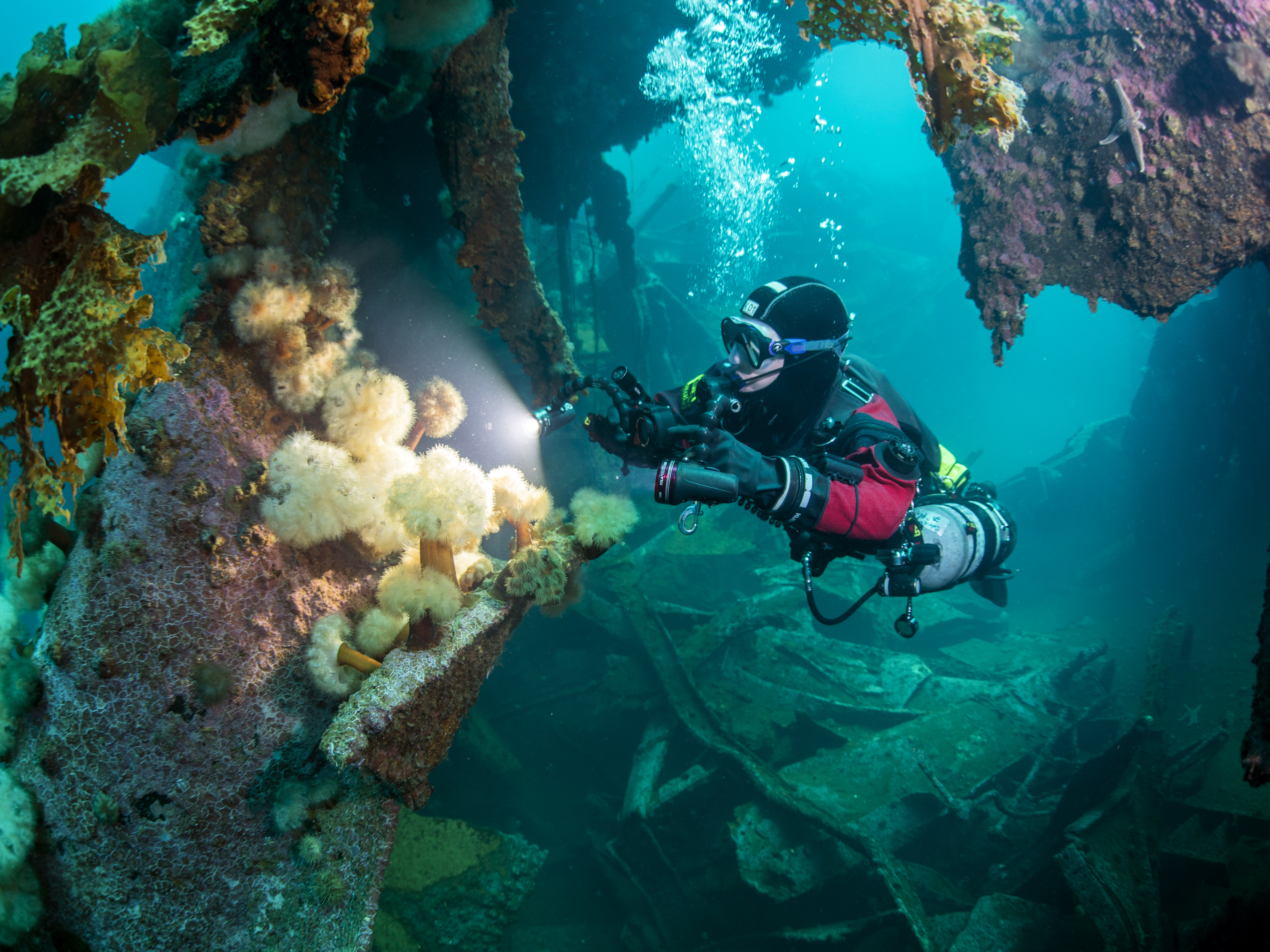
Underwater archaeology

Underwater archaeology

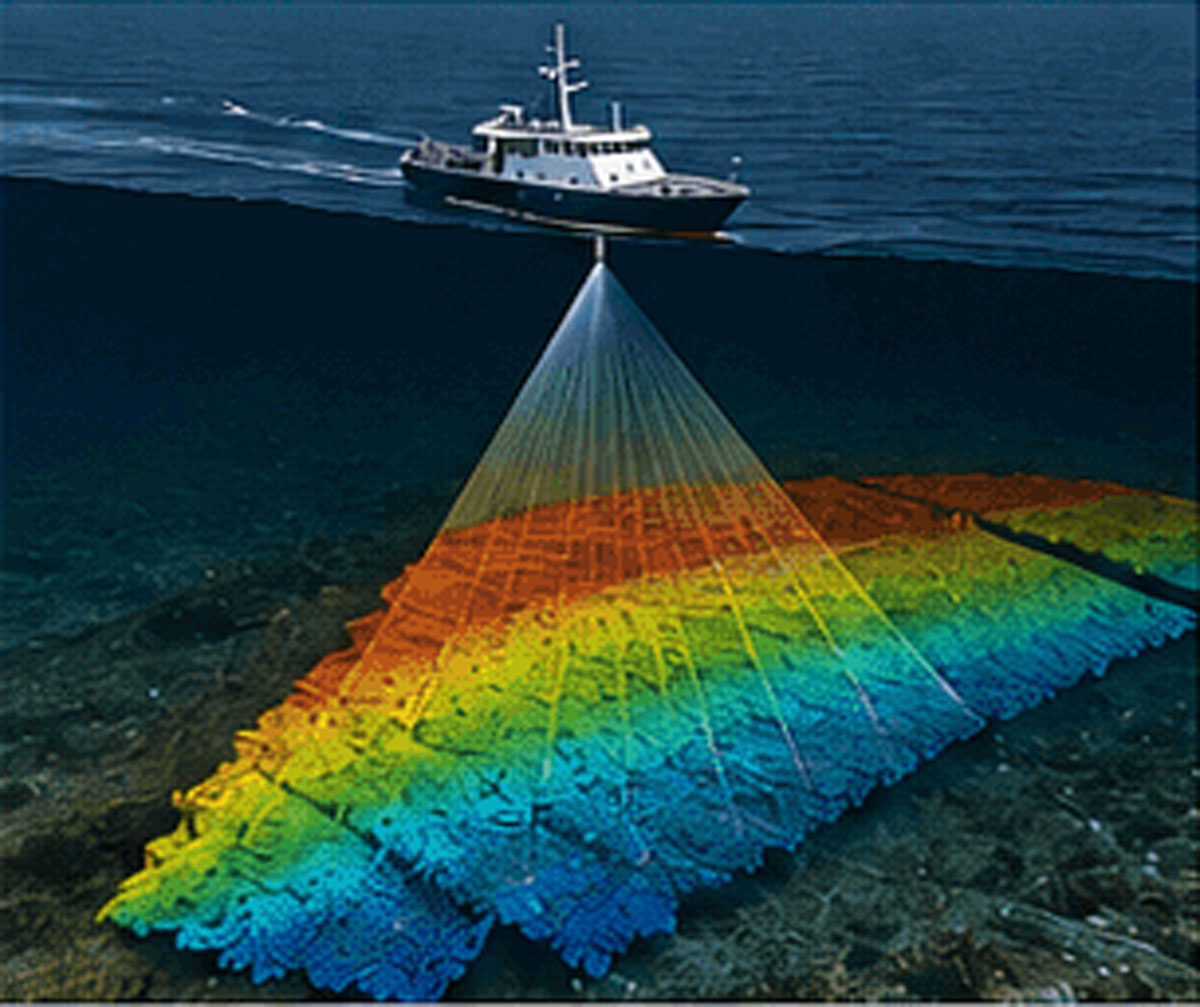
High-resolution 3D documentation

Digital Terrain Model (DTM)

Digital Terrain Model (DTM)

Integrated seabed, shoreline, and land mapping

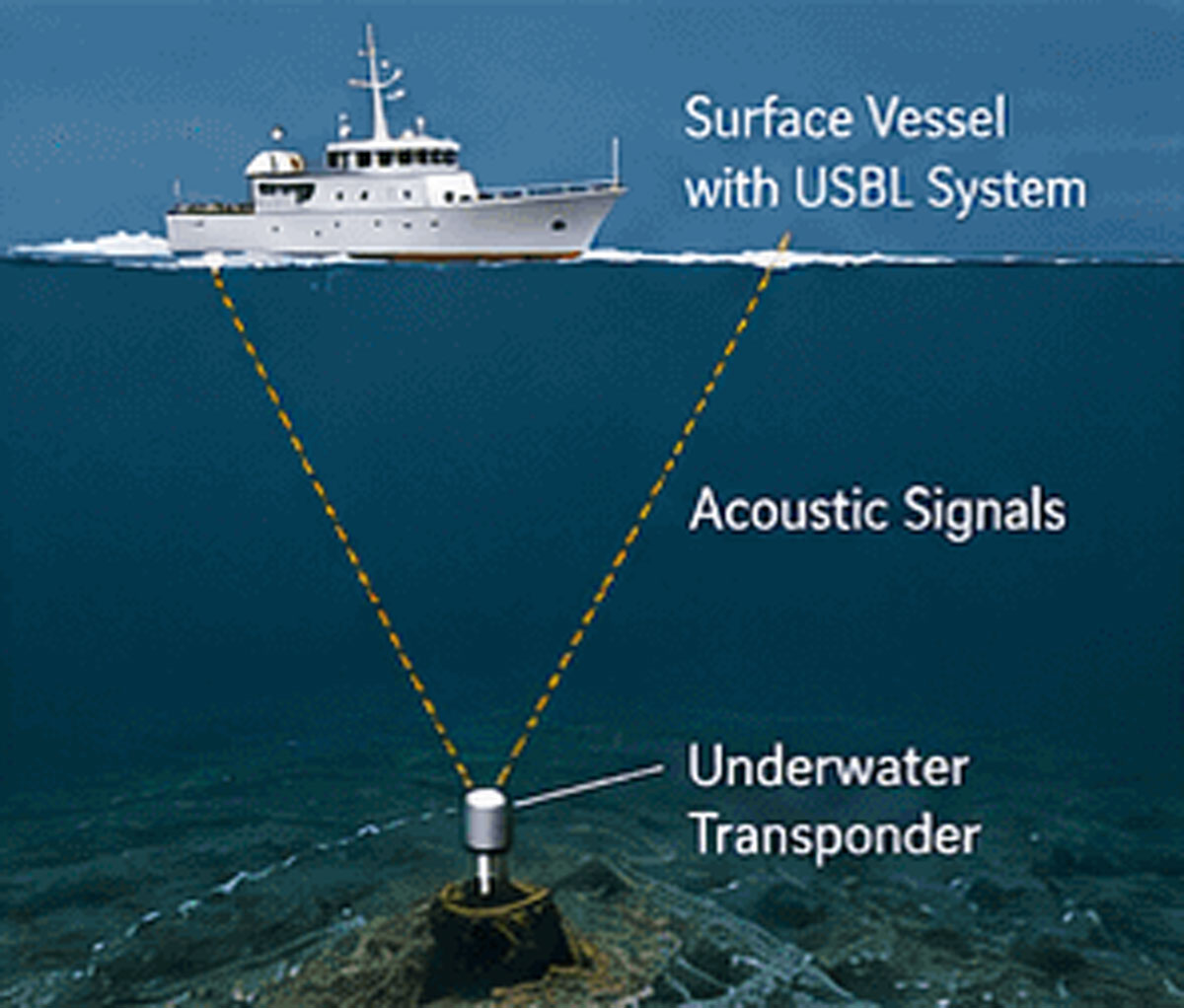
Marine science

Marine science

Biological and ecological baseline studies

Graduate student training

Graduate student training

Field and research participation

Public interpretation and heritage tourism

Public interpretation and heritage tourism

Accessible digital and on-site engagement

This work builds on the HMCS Canada Expedition, which produced a complete three-dimensional photogrammetric model of Canada’s first purpose-built warship.

Bell Island: A Rare Wartime Landscape

Bell Island preserves a unique concentration of wartime features linked within a single geographic setting:

  • Four Second World War shipwrecks in Conception Bay
  • The remains of Scotia Pier
  • A preserved coastal artillery battery
  • The Seamen’s Cemetery at Lance Cove
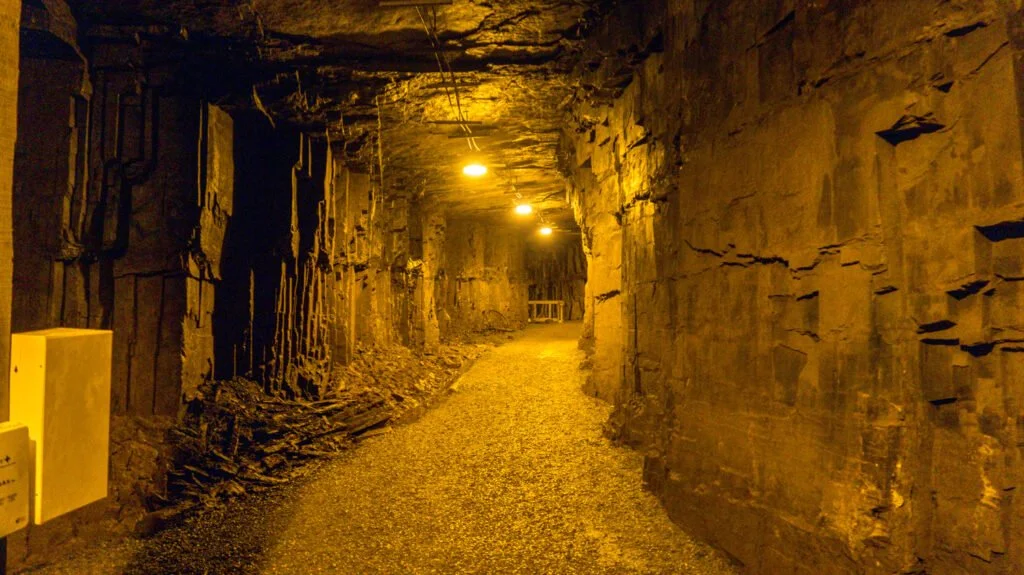
  • Flooded iron ore mine workings
Support Us
Bell Island: A Rare Wartime Landscape

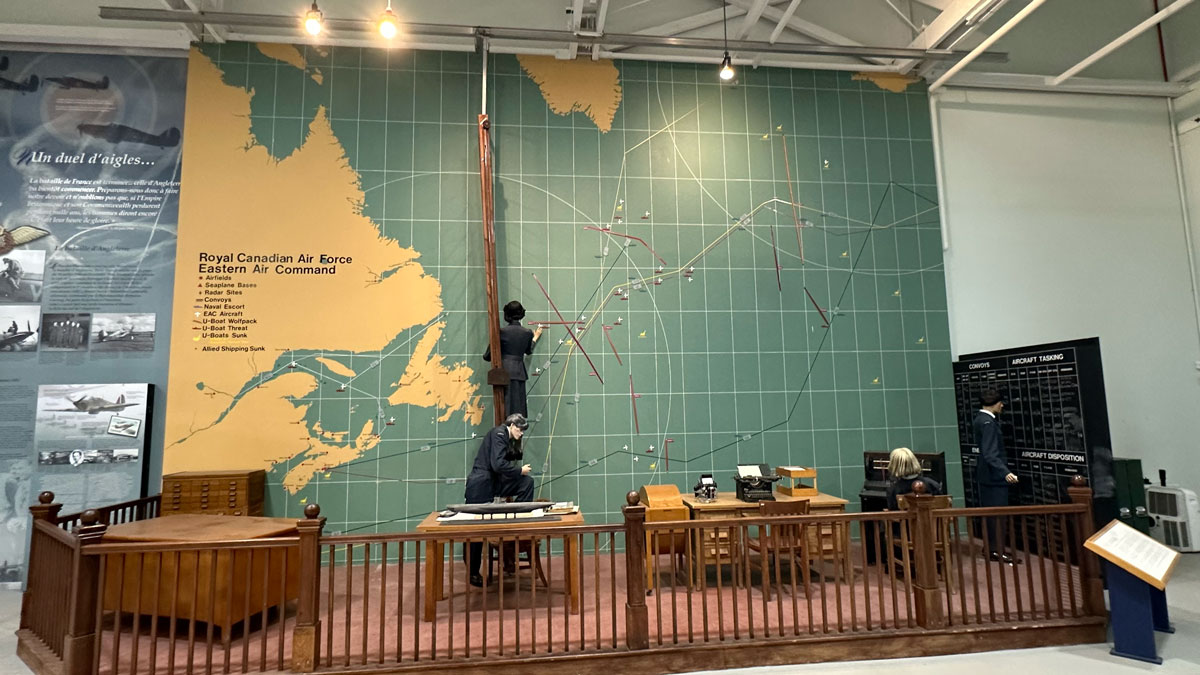
Newfoundland and the War at Sea

Bell Island’s iron ore was essential to Allied steel production, making it a strategic target within the North Atlantic war. What appears to be a local anchorage was, in reality, part of a global system linking North America to Britain through convoy routes, naval bases, and industrial supply chains.
Learn More
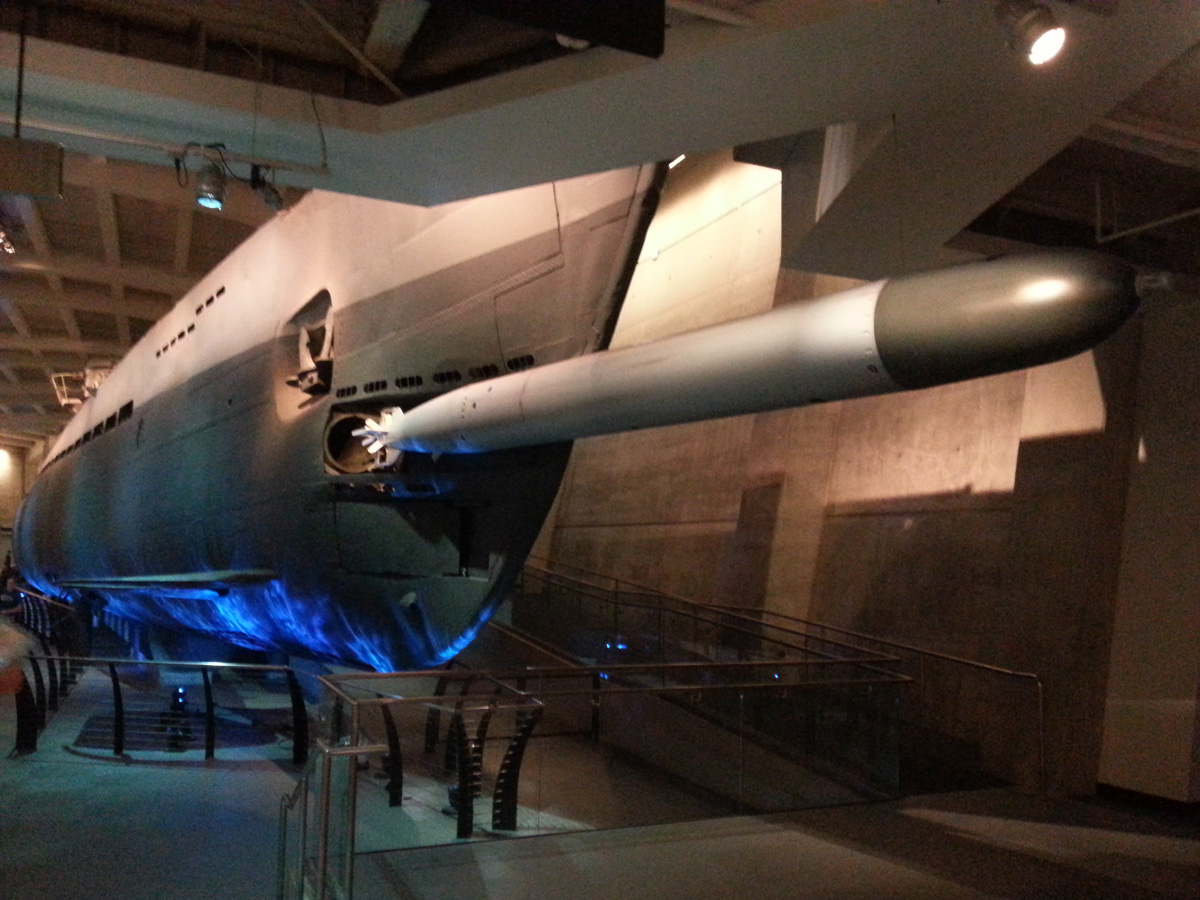
Historic submarine

From Seafloor to Digital Memorial

This project creates an integrated three-dimensional landscape linking wrecks, shoreline, and industrial infrastructure into a single, coherent virtual environment—transforming Bell Island from a series of isolated sites into a unified historical battlefield.
Know More

Expedition Partners and Collaborators

  • Marine Institute, Memorial University of Newfoundland (MI–MUN)
  • Shipwreck Preservation Society of Newfoundland and Labrador (SPSNL)
  • VOYIS Imaging
  • Royal Canadian Geographical Society (RCGS)
  • HMCS Canada Expedition Dive Team

The expedition has received grant support from the Royal Canadian Geographical Society and is further advanced through significant in-kind contributions from academic and technical partners.

Additional support from private donors, foundations, government programs, and corporate partners will enable the full realization of the Virtual Memorial.

Support Us